
On Mayo Clinics and Unrelated Debt-Financed Income Tax
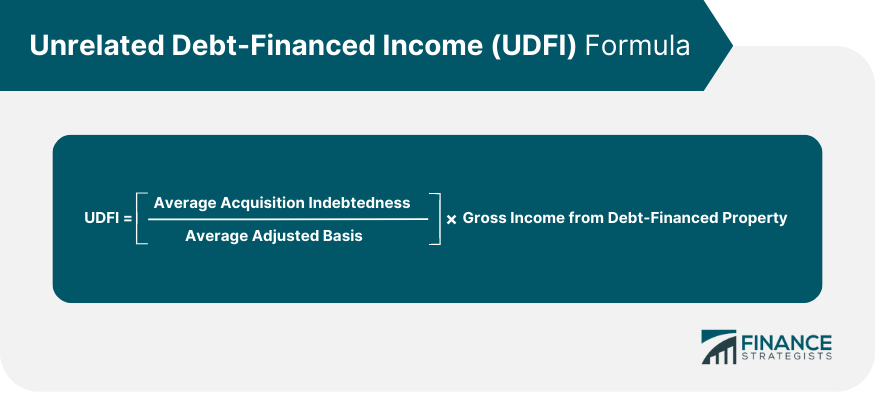
The Eighth Circuit hasn’t yet issued an opinion in Mayo Clinic v. United States. Mayo is probably going to win that case rather easily. One thing missing from the case thus far is any real discussion of the harm sought to be avoided by the complexity in IRC 514. Without that, the case is likely to be decided entirely on the semantics — the difference between “substantial” and “primarily.” Matt Di Sandro’s “The Future of Section 514: Policy Failures and the Path Forward for the Debt Financed Income Rules briefly outlines the missing context. Here is the abstract:
The debt-financed income rules, codified as section 514 of the Internal Revenue Code, stand as a critical measure designed to prevent tax-exempt entities from using borrowed funds to sell their exemption to for-profit firms hoping to avoid taxes. However, the apparent misfit between section 514 and the purposes for which Congress enacted the provision points toward the possibility of reform. This note explores the mechanics and historical development of section 514, critically examines its policy rationales, and evaluates its effectiveness in achieving its purposes. By comparing various avenues of reform, including expanding section 514’s exceptions or repealing the provision entirely, this note aims to offer practical solutions that preserve nonprofits’ interest in maintaining their tax-exempt status, without opening the door to abuse.
DiSandro includes a recommendation to expand IRC 514(c)(9) in a way that would moot the issue in Mayo Clinic — i.e. whether Mayo Clinic is an “educational organization” and thus able to avoid an $11.5 million unrelated debt-financed income tax. Curiously, though, he doesn’t mention Mayo at all, even though the case has been up and down the Eighth Circuit for nearly 10 years and will likely end up being the most important case on the topic:
B. Tailoring Section 514 By Expanding the Exceptions in Section 514(c)(9)
One of the most promising avenues of reform would be to expand section 514’s exceptions for qualified organizations’ investments in real estate. As it stands right now, the exception to the debt-financed income rules eliminates taxation of income derived from debt-financed real property under certain circumstances, but the exception only applies to schools and qualified pension funds investing in real estate. Under a new version of the rules, section 514(c)(9) could be extended so that any tax-exempt organization can take advantage of the exception for its investment in any type of property. The effectiveness of such an approach would be contingent on whether the requirements to qualify for the exemption are sufficient to prevent the abusive transactions that section 514 was designed to protect against. Again, to qualify for exemption under section 514(c)(9), a transaction cannot contain the typical characteristics of a sale-leaseback, such as nonrecourse borrowing financed by the seller and making debt repayments contingent on the profits of the acquired property. Because these requirements identify and prohibit essential elements of the abusive transactions that Congress sought to target, they seem adequate to prevent parties from obtaining benefits from sale-leasebacks.
In brief — because the policy underlying IRC 514 cannot be thoroughly explained in less than 100 pages — the unrelated debt-financed income tax is designed to counteract conversion (from ordinary income to capital gain), unfair competition, and tax base erosion. Here is another explanation in brief:
Congress passed the Revenue Act of 1950 in response to an outcry from small business owners and others against tax-exempt organizations using their tax-exempt status to gain a competitive financial edge–particularly through “leaseback transactions.” The thrust of these transactions involved tax-exempt organizations borrowing funds to purchase real estate, leasing the property back often to the seller, and using tax-free rental income to pay off the debt (ultimately coming out ahead). These arrangements were deemed unfair because a tax-exempt organization could avoid investing any of its own money in the transaction and could give buyers better terms than for-profit entities could offer. As such, current tax law requires that tax-exempt organizations pay taxes on income unrelated to the organization’s charitable purpose.
Somehow, I don’t think the opinion in Mayo will explain why taxing Mayo will protect against the harms, or not, addressed by the unrelated debt-financed income. Or help us know whether IRC 514 is effective or necessary. Those failures will represent opportunities lost.
darryll k. jones