
Eighth Circuit Hears Oral Arguments [again] in Mayo Clinic v. United States
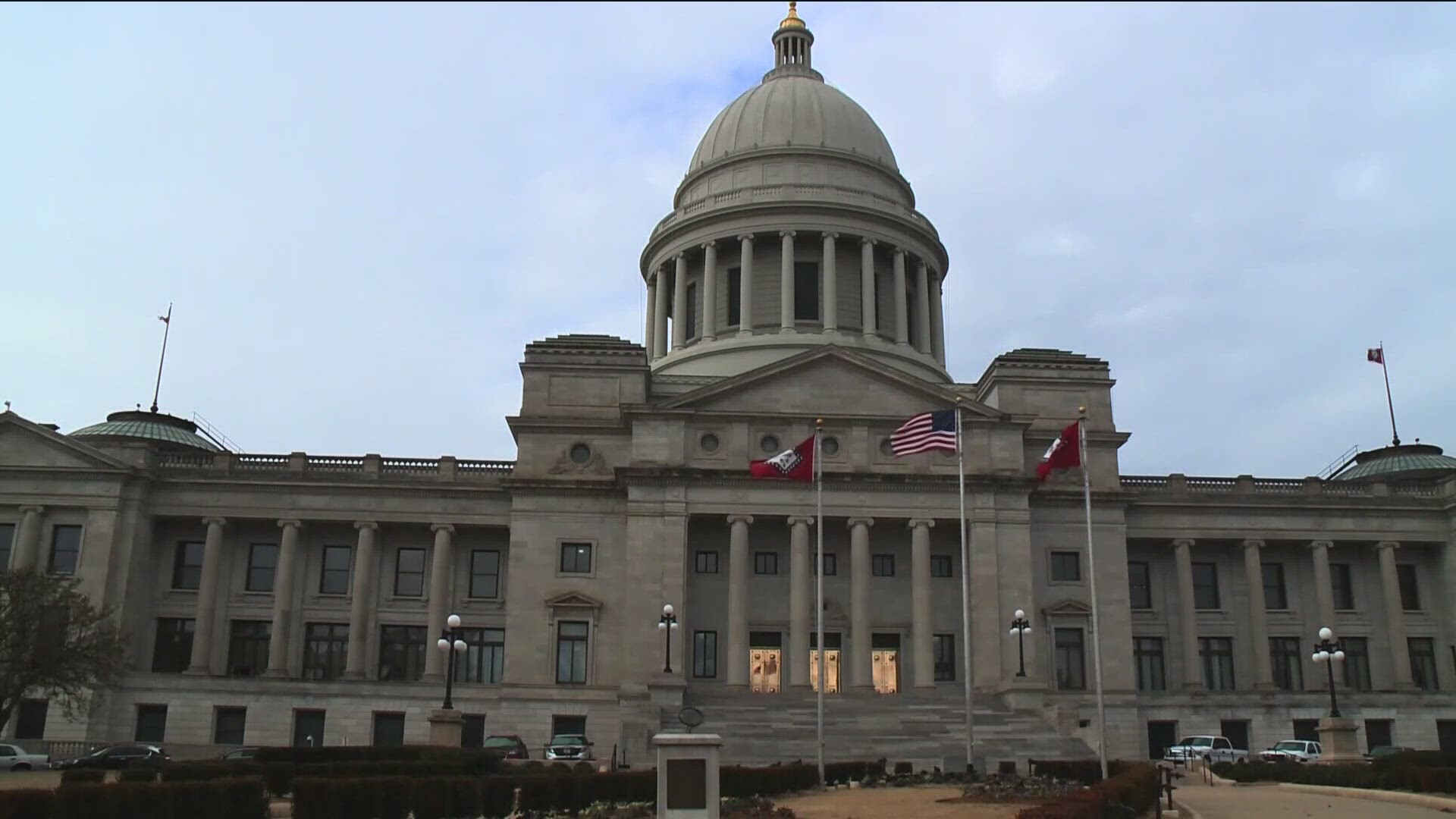
The United States Circuit Court of Appeals for the 8th Circuit. Click here to listen to oral arguments in Mayo Clinic v. United States.
Mayo Clinic has been litigating an $11.5 million unrelated debt financed income tax for about five years now. The case is on its second trip to the Eighth Circuit Court of Appeals. Here is a good summary of the case. The basic issue is whether Treas. Reg. 1.170A-9(c)(1) validly interprets IRC 170(b)(1)(A)(ii). That provision defines an “educational organization.” Section 170(b)(1)(A)(ii) is cross referenced in various different code provisions, usually when Congress wants to provide or limit tax benefits to teaching organizations. For example, in IRC 514(c)(9)(C)(i), the Congress exempted from the UDFI tax educational organizations by cross-referencing IRC 170(b)(1)(A)(ii). That provision is interpreted in Treas. Reg. 1.170A-9(c) to mean an organization whose “primary function is the presentation of formal instruction” and which does not engage in noneducational activity except as an incident of the educational function. One problem is that 170(b)(1)(A)(ii) is a sort of omnibus provision applicable, though perhaps not precisely, to different concerns throughout the tax code. The regulatory interpretation — “primary function and no substantial other function” — might be appropriate for applying something other than the UDFI tax, but the Court seemed to think it is unnecessary to limit the exemption from UDFI to educational organizations. In other words, the Court did not understand why the Government insists on the “primary” requirement when no such requirement is stated in the statute.
Obviously Mayo does more than teach. In fact, Mayo’s first function, measured by any objective standard, is treating patients and conducting research. Both activities are necessary components of education, said the District Court, and thus Mayo’s primary function is primarily educational. The government argues that “primarily” is defined by Better Business Bureau, and according to that case, is mutually exclusive with any other “substantial” purpose. At least one judge sought to discredit Better Business Bureau’s continuing validity. That effort struck me as another indication that the Court doesn’t see the harm the Government is seeking to prevent by what looks like a stingy regulatory interpretation of 170(b)(1)(A)(ii).
The Government’s Opening Brief is here and Mayo’s Answer Brief is here. I think the absence of some identifiable harm, coupled with Mayo’s bright halo, means the government will probably lose.
darryll k. jones