
Indiana House Passes Nonprofit Hospital Excise Tax and Revocation Bill
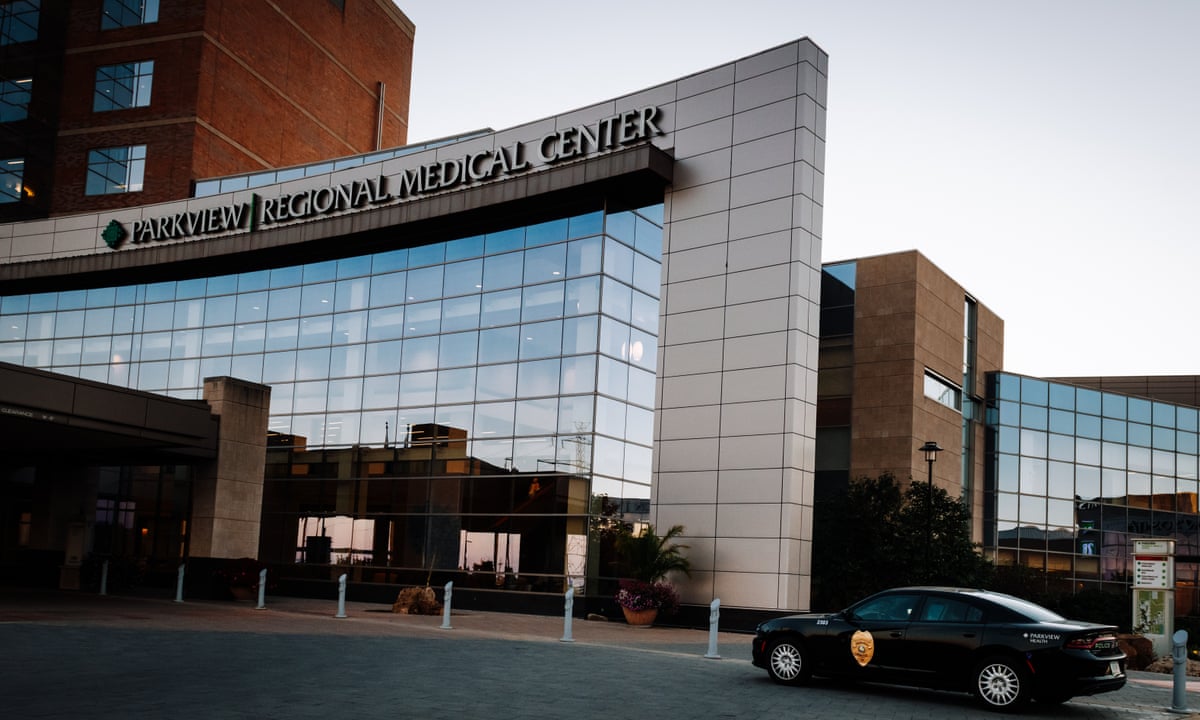
A media investigation of Parkview helped spark Indiana legislator’s nonprofit hospital anger.
We have been following Indiana’s scrutiny of nonprofit hospitals pretty much from the start of the year. The first indication that something was afoot came when legislators introduced a bill that would revoke state nonprofit status whenever a nonprofit hospital charged more than 200% of the Medicare reimbursement rate. On that same day, Governor Mike Braun signed an executive order directing the Secretary of Health and Family Services to look into whether nonprofit hospitals really deserved their tax exempt benefits and the extent to which they “avoid providing charity care to the truly needy in the community while continuing to enjoy the benefits of tax exempt status.” The call of the question suggests what everyone already thinks they know.
The nonprofit hospitals have protested only meekly so far. The bill emerged from Committee as one that would impose a 100% excise tax on hospital charges in excess of of 265% of Medicare reimbursement rates and revoke nonprofit status for hospitals that charge more than 300% (rather than 200%) of Medicare reimbursement rates. The bill also limits the definition of “community benefit” to charity care. Last Thursday, the House adopted the bill and sent it to the Senate. Here is the final House summary:
Establishes a hospital facility fee excise tax imposed when a hospital charges a facility fee that exceeds 265% of the hospital’s Medicare facility fee. Excludes a critical access hospital from the excise tax statute. Requires the excise taxes to be used for the lawful purposes of the Medicaid program and for developing the health care workforce serving rural areas of Indiana. Establishes: (1) a state directed payment program (program) for hospitals; and (2) a managed care assessment fee; subject to the approval of the United States Department of Health and Human Services. Specifies that a nonprofit hospital is a hospital organized as a nonprofit corporation or a charitable trust under the laws of Indiana or the laws of any other state or country. Limits what may constitute community benefits for certain nonprofit hospitals. Requires, before November 1 of each state fiscal year, nonprofit hospitals (that are not county hospitals) to provide to the department of insurance (department) a report including aggregate data on all billed services and items and a comparison of the charges for those services and items to their respective Medicare reimbursement rates. Provides that a nonprofit hospital that charges an amount for a service or item in excess of 300% of the nonprofit hospital’s modified Medicare reimbursement rate at the time of the charge forfeits its status as a nonprofit hospital. Allows a nonprofit hospital to reestablish the nonprofit hospital’s status as a nonprofit hospital. Provides that all nonprofit hospitals are subject to an annual audit by, and at the discretion of, the department. Requires, before November 1 of each year, every nonprofit hospital to provide the health care cost oversight task force with, and make available for publication on the general assembly’s website, the entirety of the Schedule H portion of the nonprofit hospital’s previous taxable year’s federal Form 990, including specified forms. Makes an appropriation.
All of this activity was provoked by reports that Indiana is among the top ten most expensive states in the nation in terms of health care pricing. And although the Indiana Hospital Association expressed enough concern to get the original bill amended to what it is now, there does not seem to be any real opposition to what is being referred to as a “priority bill.” Certainly not enough to prevent the bill’s passage in the Senate:
The Indiana House passed a priority bill that marks the closest lawmakers have gotten to price-controlling the state’s largest nonprofit hospitals, amid a years-long effort to curb high health care costs in Indiana. House Bill 1004, one of the meatiest bills this session seeking to bring down Hoosiers’ health care bills, passed the House by a 68-26 vote and now heads to the Senate. Rep. Ben Smaltz, R-Auburn, said he got over 200 comments from his constituents recently about how they’re experiencing financial ruin and getting bills they never anticipated. “They are being financially crushed,” Smaltz said. “It’s to favor the people who are getting hammered back home.
“The most expensive hospitals we have in this state have a nonprofit status,” Carbaugh said. Rand’s studies over the years have repeatedly placed Indiana’s health care costs as among the top ten highest in the nation and sparked a conversation among lawmakers. This year, there are a number of bills tackling various aspects of what contribute to costs: from banning noncompetes for doctors to making hospital prices more transparent to allowing the state to become a prescription drug administrator.
darryll k. jones