
The Bib and Tucker of Cryptocurrency DAF Contributions
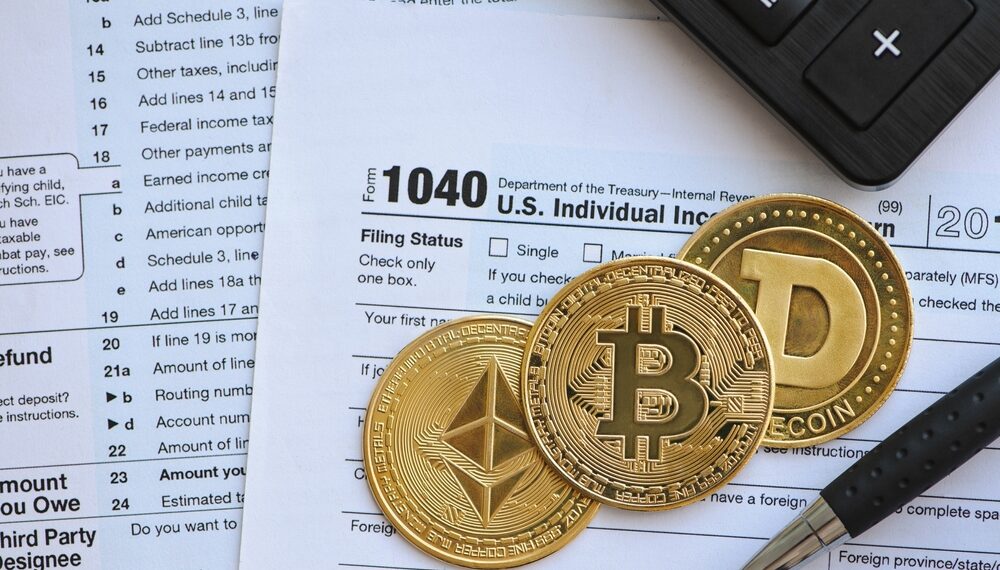
We are well into an age where an emperor might walk around buck naked and the people nevertheless proclaim that he’s always smartly dressed. Mexico will pay for the wall and the wars in Gaza and Ukraine will be settled after a 15-minute phone call. Hooray!
But it’s beyond just politics. The phenomenon is demonstrated in law by our indulgence of legal fictions. Deductions for contributions to donor advised funds, for example, are premised on a donor’s relinquishment of control. We accept that the donor has made a complete gift to charity for which he is entitled to an immediate charitable contribution deduction. And yet we know that never occurs, except on paper somewhere. The donor is naked but we pretend he’s wearing his best bib and tucker. We pretend the donor has increased the public good when in fact he has merely set up an account from which he can make discretionary gifts to an indefinite recipient at an indefinite time. Legal fictions are useful vehicles to take us to a place you can’t get to from anywhere real. But we should better imagine the destination we seek.
Those thoughts occurred to me over the weekend as I read that cryptocurrency donations to donor advised funds have skyrocketed. Here is part of the story from CNBC:
For 2024, Fidelity Charitable has accepted $688 million in crypto donations through Nov. 19. That’s up from $49 million in all of 2023 and $38 million in 2022, according to the organization’s 2024 giving report. For some perspective, as of Dec. 31, 2023, Fidelity Charitable had received more than $565 million in cumulative gifts since the charity started accepting the assets in 2015. “Most of our volume, in terms of numbers and dollars, is all in bitcoin,” Casserino said. DAFgiving360, formerly Schwab Charitable, doesn’t release numbers for crypto donations. But the organization reported that it received 63% of contributions in non-cash assets, such as crypto and stocks, for fiscal year 2024. Some 56% of the top 100 U.S. charities accepted crypto donations as of Jan. 2024, according to The Giving Block, a platform for digital currency gifts and fundraising.
There is probably a good reason DAFs are flush with cryptocurrency donations. When rich folk rush in, it’s a good bet they are getting much more than they are spending. After a relatively small initial investment Cryptocurrency is thereafter costless. That is a debatable assertion, I’m sure, but one I would defend in an Oxford debate. To conclude that cryptocurrency donations to charity actually get us to a charitable destination, we have to close our eyes and indulge the two legal fictions that a donor has relinquished control and has actually invested in public benefit. And then on top of that, the donor has actually relinquished “wealth.” It’s that last thing that bothers me the most. At the start, a cryptocurrency donor uses government money to acquire something that exists only by imagination, is backed by no precious metal and carries no sovereign’s full faith and credit. There aren’t really any gold mints. The donor harbors what seems a foolhardy hope that others will imitate, thereby driving up the imagined thing’s value. But that which is acquired appreciates only because enough people say it does. Appreciation doesn’t occur because of the increasing utility or decreasing supply of the ephemeral thing acquired.
Nevertheless, the value assigned to the buck-naked currency is convertible back into government currency, through indulgence of a legal fiction. Indulgence, by the way, requires a qualified appraisal pretending the appreciation is real rather than just imagined. A recent Chief Counsel Memorandum provides a concise summary of the elegant bib and tucker adorning cryptocurrency donations.
But I just don’t see it.
darryll k. jones