
Italy Vows to Seize NGO Rescue Aircraft
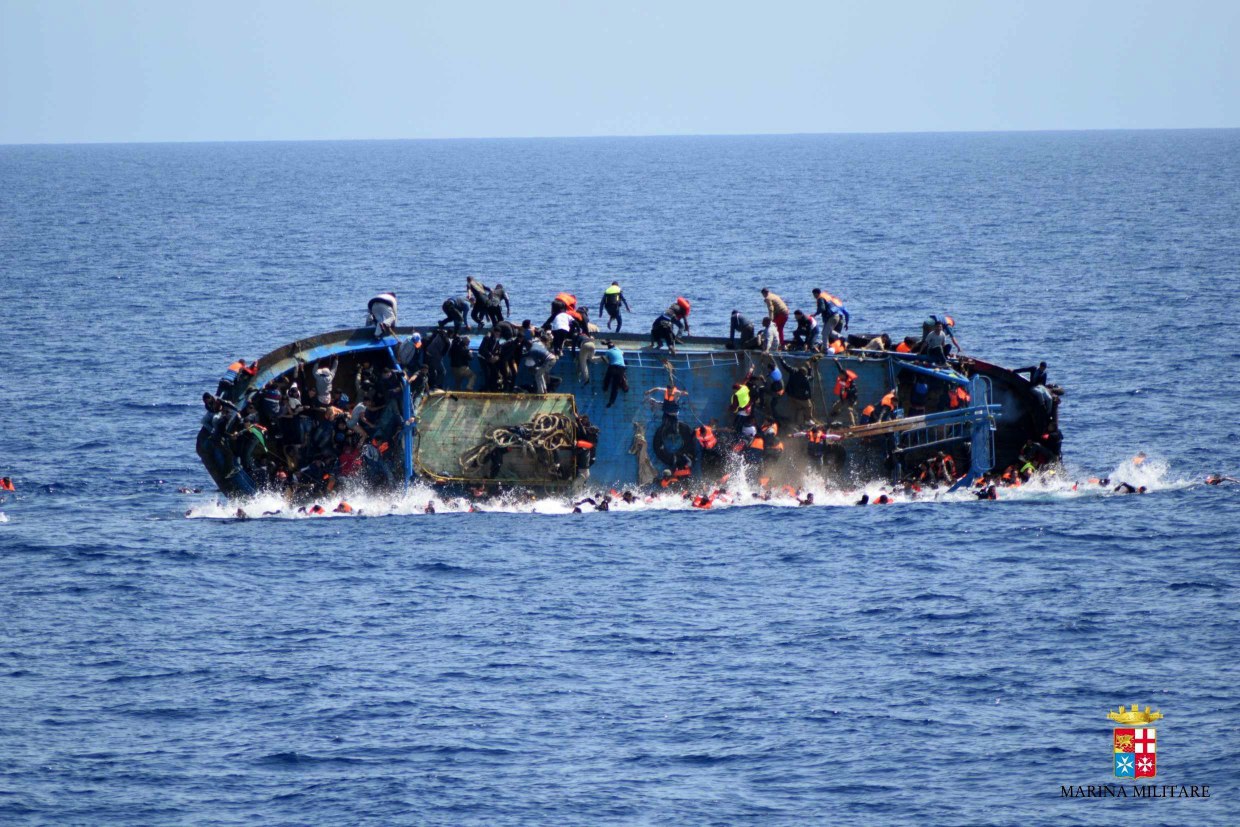
Italy continues to misunderstand migration push and pull factors. Like our own lazy-eyed cowboy, empowered politicians in Italy are certain that migrants would be content to starve or be killed at home if not for nonprofits willing to rescue, house, and feed them. So the far right government, lead by xenophobic neo-fascist, Giorgia Meloni, is determined to outlaw nonprofits that sail around the Mediterranean Sea in search of starving or drowning men, women, and children. Italy has already imposed a “distant ports” requirement mandating that rescue boats pick up only one floundering group of migrants at a time and then transport them to far off ports, all the while ignoring any other drowning group of migrants the boats might come upon. Imagine being on a rescue boat with room for thirty. Once you rescue five, you can’t keep searching for 25 more but must proceed to designated ports farther than the closest, and while on your way you must ignore any other migrants that could be easily rescued.
Not content with that, Italy then decreed that search and rescue aircraft could not use coastal airports or runways for take-offs and landings. Rescue aircraft increase the efficiency of rescue boats by locating migrant boats and communicating their locations to rescue boats before it’s too late. But last week, Italy proposed amending the so-called Piantedosi decree to further restrict rescue aircraft. From Reuters:
Italy will impose fines of up to 10,000 euros ($11,150) on pilots of aircraft that search for migrant boats in distress at sea, according to a draft government decree. The right-wing administration of Prime Minister Giorgia Meloni has vowed to block irregular arrivals, working with African governments to block departures and building migrant centres in Albania which will soon become operational. It has also made it increasingly difficult for charities to operate their ships, limiting the number of rescues they can carry out, seizing them at ports and often forcing them to make huge detours to bring migrants ashore.
. . .
Under the decree, aircraft “departing or landing in Italy which carry out activity … with the aim of search and rescue” must immediately inform the authorities of any emergency and abide by their orders. Failure to do so could lead to the aircraft being impounded for 20 days and, in the event of repeated breaches of the rules, being confiscated. The move comes after a first clampdown in May, when Italy banned the planes used by charities to track down migrant boats from using airports close to the shipping routes. The charities reacted with outrage, and some have disregarded the measure.
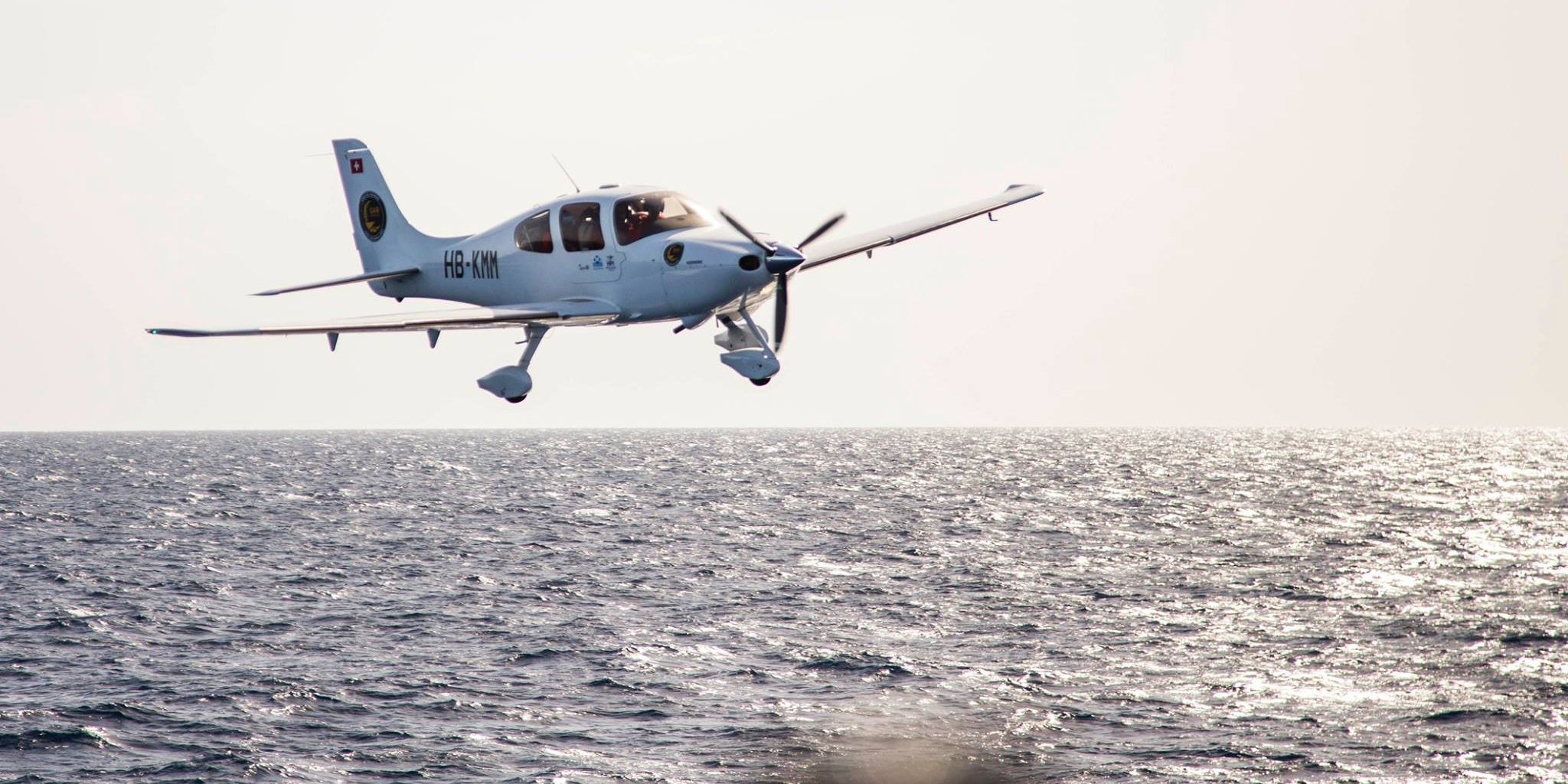
This BBC video report discusses how the EU avoids countries’ restrictions on use of their ports and airports by launching rescue aircraft carriers. It briefly raises the push-pull factor debate as well. Sea Watch, is amongst the organizations speaking out against the new measures.
The amendment to the law, which is expected to come into force today, October 3rd, provides for fines of up to €10,000, the detention of an aircraft for 20 days to 2 months, and, in the last instance, confiscation. The decree forces NGO-operated aircraft to report every emergency at sea not only to national rescue coordination centers, already a standard procedure, but also to Italy’s aviation authority, which is not responsible for search and rescue (SAR) operations. The measure falsely implies that organizations like Sea-Watch are failing to report emergencies in time when, in fact, governments are delaying rescues.
Paul Wagner, spokesperson for Sea-Watch, said:
“This law is designed to ground our planes and shut down the civil eye over the Mediterranean. At the same time, Italy tries to shift the responsibility for sea rescues onto unsafe countries like Libya or Tunisia in violation of international law.”
The decree expands Italy’s state harassment of the so-called Piantedosi decree, which targets NGO rescue ships, to civil aircraft. The measures are solely introduced to obstruct NGOs from documenting authorities’ non-assistance and complicity in human rights violations.
It must certainly be be the case that migrants factor nonprofits at their destination and along the way into their decisions whether to set out on perilous journeys. They leave with nothing but the clothes on their backs so they must think people or groups at their destination will extend charity. Would they not embark without nonprofits? Maybe not, but we would have to believe their situations at home are tolerable to be conclusive. It doesn’t matter anyway. Because how many boat- truck- or train-loads of people are we willing to watch drown or starve to death to find out?
darryll k. jones