
Illinois DEI Reporting Requirement Draws Philanthropy Roundtable Condemnation
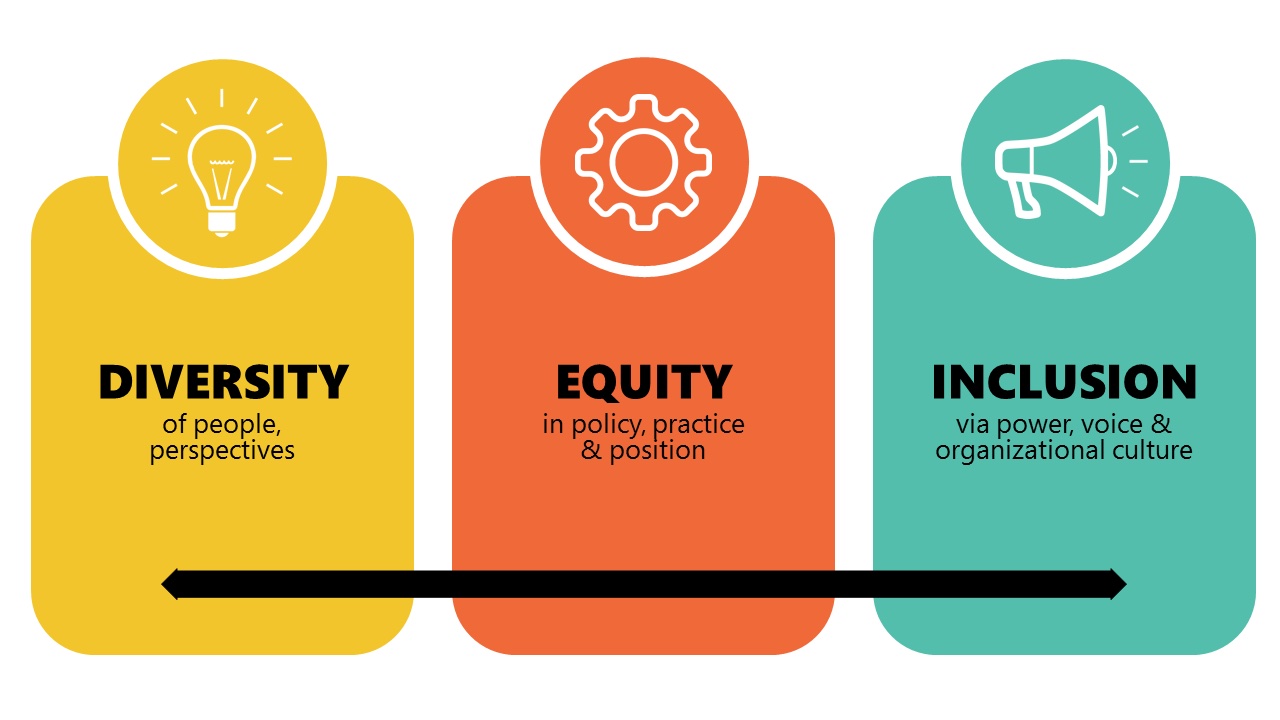
I offered some fist-shaking commentary a few weeks ago about a then-pending Illinois bill that would require bigger nonprofits to collect and disclose the race, ethnicity, gender, disability status, veteran status, sexual orientation, and gender identity of their officers and directors. These laws are little more than window dressing. But that’s just me. I feel that way probably because too many DEI opponents think DEI means “didn’t earn it.” People on the right think DEI is burdensome all of the sudden. They condemn “quotas” but when the quota was zero, nobody complained. My father used to say that often. Hell, try being a DEI exemplar, someone about whom the label DEI is often applicable. Now that’s burdensome. But so is life without DEI. Anyway, the Governor signed the bill last week. Philanthropy Roundtable has some early reaction:
On June 30, Gov. J.B. Pritzker (D) signed this legislation into law, with Illinois setting a dangerous precedent by becoming the first state in the nation to require these draconian and invasive disclosures. Nonprofit organizations should not be mandated by the government to disclose board demographics. They should be free to choose those with the right skills, backgrounds, perspectives and personal experiences to help advance their missions without fear of running afoul of arbitrary mandates. Further, forcing the disclosure of board demographics may violate the privacy of board members who may not wish their personal identifying information to be made public.
While Illinois is the first legislature in the nation to mandate the disclosure of nonprofit board makeup, there have been instances of DEI policies being implemented which impact corporate boards. In 2020, California Gov. Gavin Newsom (D) signed a bill mandating that corporations headquartered in California must retain a minimum number of women, minority and LGBTQ+ board members. This comes after a California bill was passed in 2018 mandating corporations have at least one woman on the board, with the number increasing based on the size of the board.
The telling part, the part that gets my own back up is the implication that disclosure — or DEI, in general — means nonprofits will not be “free to choose those with the right skills, backgrounds, perspectives and personal experiences to help advance their missions without fear of running afoul of arbitrary mandates.” I know what the hell they mean by that. I would rather stand in a mud puddle than give oxygen to that implication.
darryll k. jones