
Nonprofit Green Hydrogen Energy Organization Conveys Too Much Private Benefit
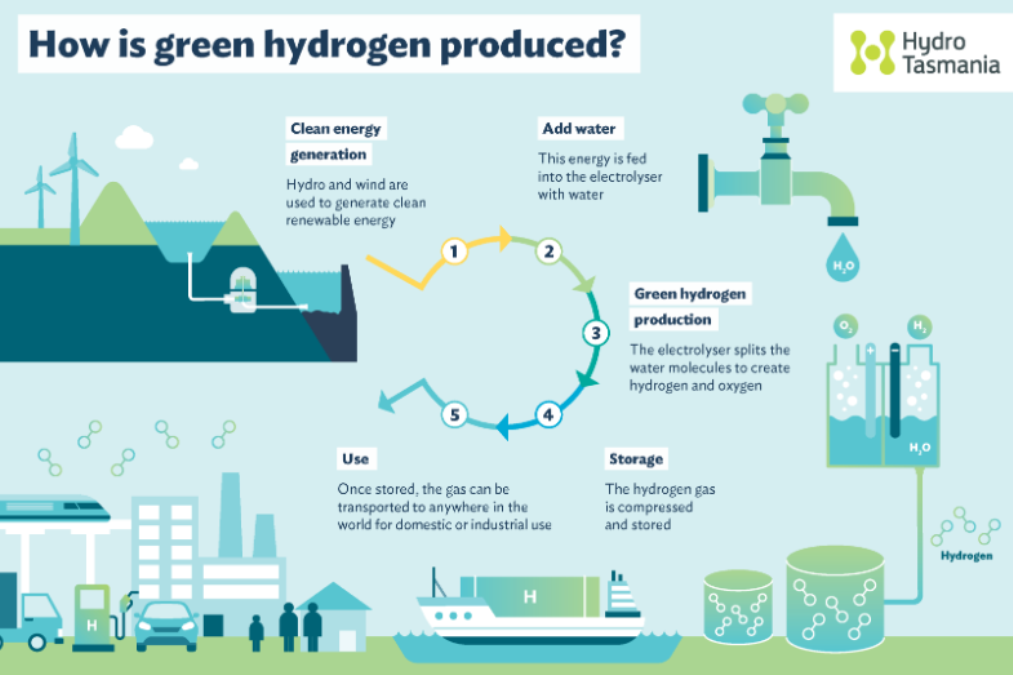
Does an organization designed to attract and encourage green energy manufacturers to its state qualify for (c)(3) status if its members include industry participants? The Service says “no” in a recent private letter ruling:
Your activities consist of awareness, policy support and project development of green hydrogen. You increase awareness by educating the public about the benefits of green hydrogen, including the production and use of hydrogen as a zero-emissions energy resource that can be used for transportation and buildings in B and throughout the nearby region. You support any state or local policy initiative related to the adoption of green energy in B. You also assist your member companies build green hydrogen projects in B.
You believe the best way to increase awareness is through real-world projects that people can easily visit either in person or online. As a result, you pursue partnerships with companies and organizations looking to build green hydrogen projects in and around B. You seek out companies that have technologies useful for projects in B and solicit these companies to become members of your alliance. Your membership consists of public and privately held companies. These companies can be operated for-profit or non-profit if they are involved in the green hydrogen economy. Your current members are D, E, F, G, H and J. You invited K, L, and M to become members, but have not received an acceptance yet. Benefits your members will receive are newsletters and press releases, exclusive B-based project partnerships, and corporate and product marketing.
You promote green hydrogen via social media, working groups, and forums. You promote the usage of green hydrogen in the transportation industry and through the usage in commercial buildings. You have not produced any publications; however, you do promote your industry by in person events, online speaking engagements, and N related promotions.
You expect to receive grants and your expected income will be used for social media and website maintenance.
I think the Service gets it right and suggests a solution along the way:
The promotion of innovative products such as green hydrogen and related projects may result in new products that will offer a public benefit but this does not override the substantial benefits to the companies encouraged to join your alliance. Along with the promotion of green energy products you also operate to secure business project opportunities for your member companies. Like the organization described in Rev. Rul. 69-632, benefits to the public are secondary to those received by members. Members receive substantial business benefits by joining, such as the promotion of their business through your industry events. Activities related to the promotion of the member services, such as in Colorado State Chiro v. Commissioner, are not necessarily related to the conveyance of information to the public about clean hydrogen. The public benefit is incidental to the private benefit your members receive; any substantial non-exempt purpose will preclude exemption regardless of the number or importance of truly exempt purposes as seen in Better Business Bureau of Washington. D.C v. US.
An organization whose members are not industry participants ought to work, even if industry participants benefit from the organization’s efforts to increase green energy. In that case, the private benefit arising from the organization’s efforts would seem to be qualitatively and quantitatively incidental. The private letter ruling process often involves discussions between the Service and the taxpayer. I tell my students that the Service is not looking to erect barriers, the exemption process is decidedly non-adversarial and that the Service will often suggest ways to make things work. I wonder why this project wasn’t made to work in this case?
darryll k. jones