
When is Reasonable Compensation Unreasonable?
Craig Kennedy always has interesting columns in the Chronicle of Philanthropy. But his latest column has my scratching my head. I’m not quite sure he understands that every expose needs a shocking poster child. This column is sorely lacking, if you ask me. It implies a lack of checks and balances on the salaries of foundation presidents and calls for more reporting and oversight of foundation salaries.
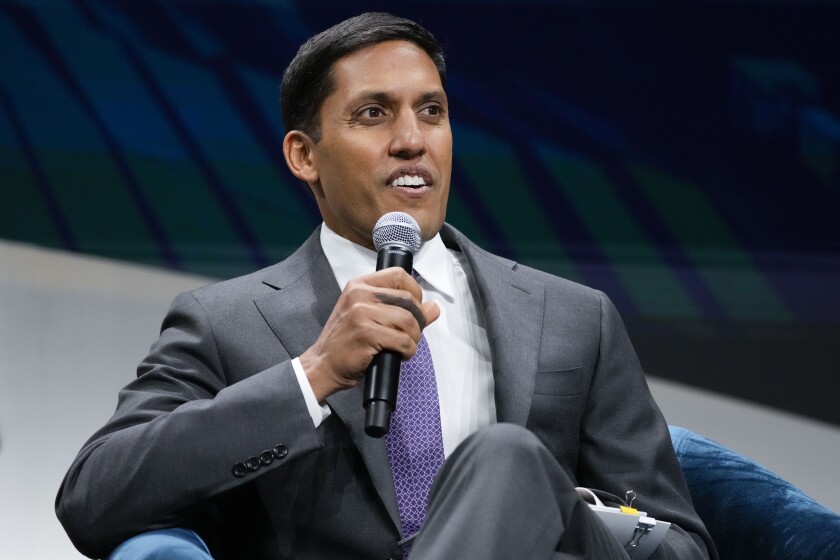
Kennedy notes that Rajiv Shah, pictured above and headlining the article as the highest paid foundation president, makes about $1.7 million a year as the President of the Rockefeller Foundation. That’s the foundation whose headquarters are located on the most expensive block of one of the most expensive cities in the world. With that salary, I’d be surprised if the poor fella can even afford to live anywhere east of Newark. The second highest paid foundation president is Mark Suzman, CEO of the Gates Foundation, whose salary was nearly as much. Seattle isn’t exactly cheap either.
I just might have expected a revelation that foundations CEOs are really really living high on the hog. It takes a lot more than $2 million dollars to ride around on even a little pig in New York or Seattle. Here are some excerpts:
New York-based [foundation] executives were paid more than those in Michigan, Indiana, or even California. Size of the endowment was a factor but not determinative. Indeed, at nine of the 16 foundations, the president’s salaries were within $100,000 of the $1.1 million average. That suggests great attention to how much others are paid. These are hefty paychecks by any measure, but they’re particularly notable for foundations, since much of a president’s salary counts toward the organization’s 5 percent distribution requirement. That’s one reason why Shah’s compensation raised eyebrows. Rockefeller has unusually high expenses, including program and salary costs, accounting for 45 percent of its charitable activity in 2022, compared with 18.5 percent at Ford and 8.9 percent at Hewlett.
Increased Oversight
Certainly, the Rockefeller board would argue that its high executive compensation and program expenses are justified. But if Rockefeller was a corporation or a typical nonprofit, regulators, investors, the media, and donors would insist on concrete justification for why the president’s compensation is higher than that of other foundation leaders.
Without this oversight, measuring a foundation CEO’s impact is difficult. Federal and state regulators haven’t delved into foundation compensation issues for many years. Few stakeholders, including current and potential grantees, are willing to risk losing funding by criticizing compensation or other management practices at major foundations. And aside from the Chronicle of Philanthropy, media coverage of foundation salaries in the last year was almost non-existent. If there are egregious abuses in executive pay, some state attorneys general will take action. That’s what happened in the case of the Otto Bremer Trust, where one of its top executives was found to have engaged in self-dealing and to have received excessive compensation. However, it takes a lot to reach the attention of federal or state officials.
I italicized and red-lettered the part that really caught my attention. Because as long as the Board is paying attention to compensation paid for “like services by like enterprises . . . under like circumstances” what could possibly be the problem? Honestly, I hate being that obnoxious know-it-all lawyer at the cocktail party. It’s hard enough being that guy at home. But Kennedy even includes a chart sorta kinda working against his thesis:
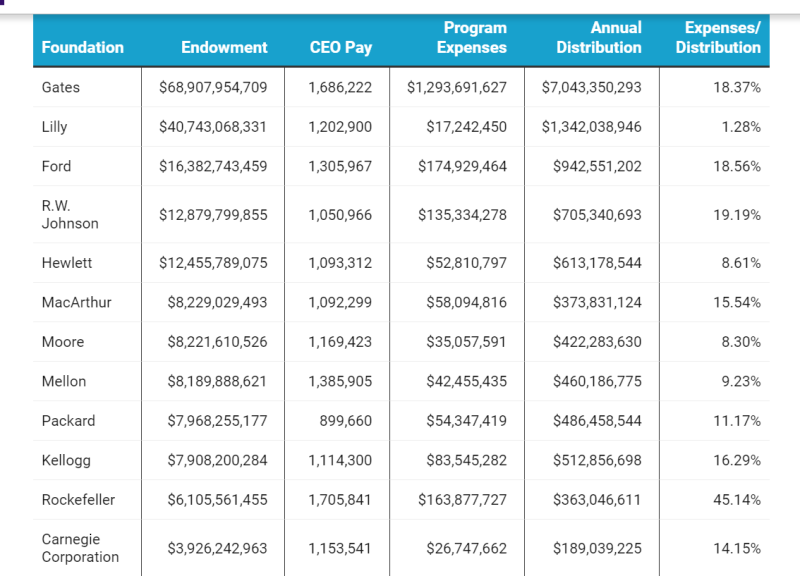
Maybe payouts are too low and shouldn’t include salaries but I’m not getting the connection.
Darryll k. jones