
Nonprofit Hospital Concierge Services and Tax Exemption Nondiscrimination Requirements
Tax law is full of examples of tax benefits conditioned on nondiscrimination rules. Not the sort of discrimination social science is most often concerned with. Discrimination favoring “top hats” on the job, that sort of thing. For example, otherwise nontaxable fringe benefits are taxed to highly compensated employees if they not offered generally to all other employees. Qualified deferred comp plans are all about nondiscrimination rules. That makes sense. Its a simple enough axiom that fiscal policy should not intentionally or unnecessarily favor people based on wealth.
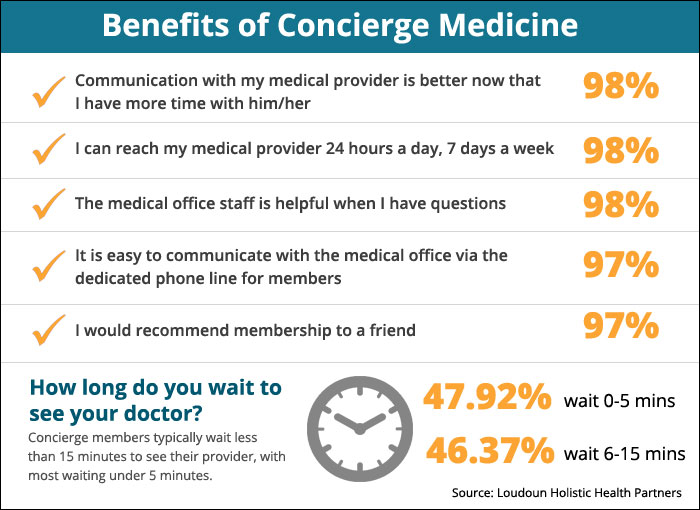
Nondiscrimination rules in tax exempt jurisprudence are less explicitly stated, but present nevertheless in private benefit jurisprudence. Its one reason why HMOs hardly qualify under 501(c)(3). An exempt organization that caters especially to wealthy, or just paying people can’t really be called a charity, can it? But what if an exempt hospital complies with all the community benefit bells and whistles while it also maintains a first class service department serving only its wealthy or paying patients? No waiting for appointments, immediate access to doctors 24-7, even ahead of sicker patients. If you have ever sat with a sick and suffering child in the middle of the night at the emergency room you might know how great that sounds.
But does that first class concierge service available only to high paying patients defeat the nonprofit hospital’s claim to tax exemption? If not that, should the revenues from its concierge service be taxed as unrelated business income? Here is an interesting extract from a thought provoking article in Kaiser Family Foundation Health News:
Nonprofit hospitals created largely to serve the poor are adding concierge physician practices, charging patients annual membership fees of $2,000 or more for easier access to their doctors. It’s a trend that began decades ago with physician practices. Thousands of doctors have shifted to the concierge model, in which they can increase their income while decreasing their patient load.
Northwestern Medicine in Chicago, Penn Medicine in Philadelphia, University Hospitals in the Cleveland area, and Baptist Health in Miami are among the large hospital systems offering concierge physician services. The fees, which can exceed $4,000 a year, are in addition to copayments, deductibles, and other charges not paid by patients’ insurance plans.
Critics of concierge medicine say the practice exacerbates primary care shortages, ensuring access only for the affluent, while driving up health care costs. But for tax-exempt hospitals, the financial benefits can be twofold. Concierge fees provide new revenue directly and serve as a tool to help recruit and retain physicians. Those doctors then provide lucrative referrals of their well-heeled patients to the hospitals that employ them.
“Hospitals are attracted to physicians that offer concierge services because their patients do not come with bad debts or a need for charity care, and most of them have private insurance which pays the hospital very well,” said Gerard Anderson, a hospital finance expert at Johns Hopkins University.
Concierge physicians typically limit their practices to a few hundred patients, compared with a couple of thousand for a traditional primary care doctor, so they can promise immediate access and longer visits.
“Every time we see these models expand, we are contracting the availability of primary care doctors for the general population,” said Jewel Mullen, associate dean for health equity at the University of Texas-Austin’s Dell Medical School. The former Connecticut health commissioner said concierge doctors join large hospital systems because of the institutions’ reputations, while hospitals sign up concierge physicians to ensure referrals to specialists and inpatient care. “It helps hospitals secure a bigger piece of their market,” she said.
So on the one hand, hospital concierge service pretty obviously ain’t charity care. But on the other, hospitals that have them gain associations with physician practices serving fewer charity cases and resulting in higher hospital revenues necessary to cross-subsidize charity care. My instinct is to “tsk-tsk” the practice but I am not so sure. Even if the worst thing the law did was to tax the concierge revenue as unrelated business income — that would be consistent with the approach under other nondiscrimination rules, taxing just the wealthy beneficiaries without taxing everybody else — I’m not sure doing so would be optimal if the goal is to increase charity care in particular, and community benefit broadly defined. We probably need to get some quantitative types on this to crunch some numbers about this thing.
darryll k. jones