
Donor Disclosure Cognitive Dissonance
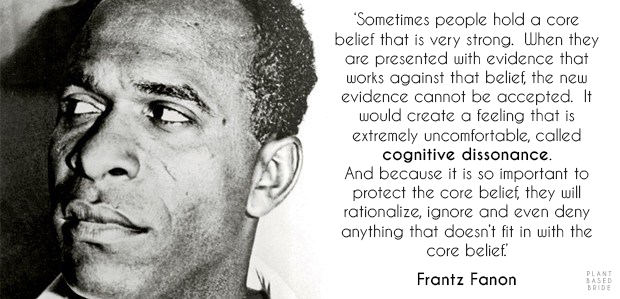
The whole dark money issue creates cognitive dissonance in all of us, I think. “Hooray NAACP v. Alabama ex rel. Patterson, way to go Supremes!” But then “Boo Americans for Prosperity Foundation v. Bonta, you suck, Supremes!” The Daily Beast reports on the latest example. The headline screams Republicans Are Making ‘Dark Money’ Even Darker for 2024. Yep, those evil Republicans are at it again. But, well, the story is about Protect Our Winters, a “left-leaning” nonprofit thumbing its nose at the FEC on the strength of the position asserted by the Republican Commissioners in the minority on the FEC. I love a story that allows me to take both sides, don’t you?
For years, dark money groups have enjoyed certain advantages that offer donors anonymity—putting the proverbial “dark” in “dark money.” But late last month, one small outside group quietly told election law regulators to shove off when watchdogs demanded to see the group’s donors, a move that legal experts say could signal a profound shift in campaign finance disclosure laws, making dark money even darker just in time for the 2024 election.
The group, a left-leaning climate change advocacy organization called “Protect Our Winters Action Fund,” was standing its ground after a notice from the Federal Election Commission flagged the group’s failure to disclose contributors, as the law requires. In response, POWAF—a 501(c)(4) nonprofit—simply declined to disclose its donors. And as a justification, the group cited a policy statement from the FEC’s three Republican commissioners released in June 2022, signaling they would not enforce “dark money” disclosure rules as courts had previously decided.
That policy statement does not carry the force of law. And legal experts told The Daily Beast that the commissioners’ memo—written in response to two federal court rulings that had interpreted the law the opposite way—undercuts judicial decisions favoring transparency. Instead, these experts said, GOP commissioners are apparently signaling they will unilaterally refuse to enforce the law as courts have defined it. With all FEC enforcement decisions requiring support from four of the six commissioners, this three-commissioner Republican contingent could block any action.
While the mechanisms involved may seem highly technical and obscure, the potential consequences are broad and easy to understand. In short, transparency advocates say, if outside groups like POWAF take advantage of the GOP commissioners’ posture, those groups could continue to keep their donors secret—even though the courts have ruled otherwise—without risking penalties. The upshot, experts worry, could be a murky operational environment for some of the most powerful and well-funded outside spending groups in the country, during an election cycle that is, once again, shaping up to be the most critical in recent history.
Brendan Fischer, a campaign finance lawyer and deputy executive director of the watchdog group Documented, said that half of the commissioners are undercutting the rulings of two federal courts, allowing dark money groups to “continue hiding their donors.” “A D.C. District Court and the D.C. Circuit have both held that nonprofits which spend money on independent expenditures must disclose their political contributors,” Fischer told The Daily Beast. “But just half of the FEC’s commissioners are aiming to protect dark money and render those decisions meaningless.”
What’s more, the crux of the GOP’s interpretation—that the federal courts hadn’t stipulated a replacement for the regulation they vacated, and that the agency they run has still failed to, in their view, provide “definitive guidance” for reporting and enforcement—raises the question of whether dark money groups are required to disclose any donations at all.
darryll k. jones