
Should Large Public Charities Be Subject to Private Foundation Excise Taxes?
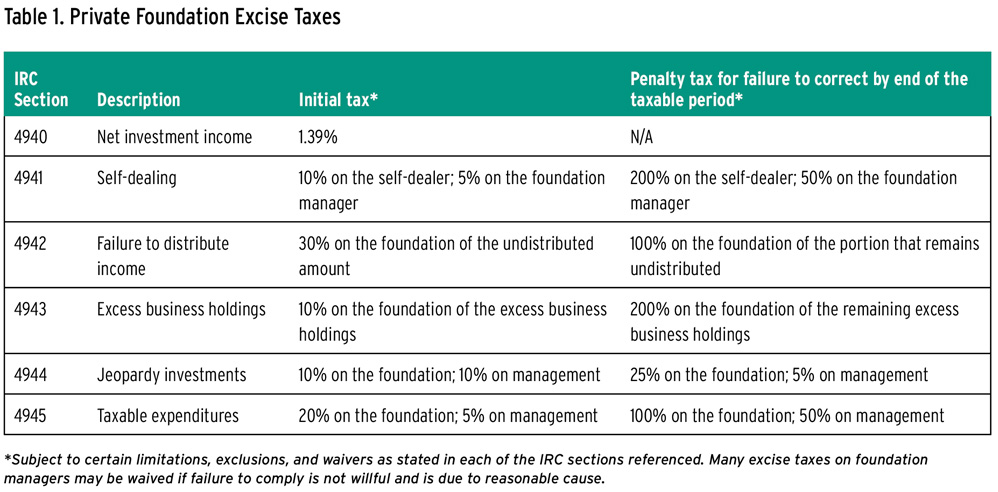
From the Chronicle of Philanthropy, September 14, 2023:
. . .
While the [1969 tax act] had consequences for the entire charitable sector, foundations were the clear target. For better or worse, other institutions were viewed as benign, if not positive forces in American society. After all, the growing endowments at Harvard, Yale, and other elite universities helped expand educational opportunities for students who otherwise couldn’t afford to attend. And how could anyone complain about charitable money going to hospitals, symphonies, and other nonprofit entities?
Today, the situation is quite different. Foundations, with more than $1 trillion in assets, remain the best endowed segment of the nonprofit world and the target of politicians on the left and right who worry about their undue influence on public policy and politics. But university endowments have also exploded, with total invested assets growing from $13.7 billion in 1971 to more than $800 billion in 2022.
Museums and other cultural institutions have seen a sharp rise in assets as well, according to audited financial statements and annual reports. The Metropolitan Museum of Art had $2.3 billion in assets in 2010. Today, the institution’s investments total $4.7 billion. The New York Philharmonic’s endowment grew from less than $166 million in 2010 to more than $241 million in 2021, despite declining attendance and other challenges.
A similar pattern holds for nonprofit hospitals. The Mayo Clinic’s assets grew from $1.8 billion in 2010 to $17 billion last year. Memorial Sloan Kettering’s endowment ballooned from $3.5 billion in 2015 to more than $6.9 billion in 2021.
This changed environment has generated piecemeal attempts to regulate specific types of endowments. Last year, Florida Republican Senator Rick Scott introduced the Changing Our Learning, Loans, Endowments, and Graduation Expectations (College) Act, which would require universities with endowments of more than $1 billion to cover at least 25 percent of the tuition costs of each student. In 2021, another Republican, Arkansas Senator Tom Cotton, introduced the Ivory Tower Tax Act, which would place a 1 percent levy on the endowments of the wealthiest academic institutions.
. . .
darryll k. jones