
Anti-Racism and Exempt Organizations
The American Alliance for Equal Rights, the descendants and members of which have been virtually silent about unequal rights for 400 years, is suing the Fearless Fund Foundation, Inc. That exempt economic development organization provides financial assistance exclusively to Black women entrepreneurs. Sort of like microfinance. And now the nouveau abolitionists are complaining about discrimination, even citing Bob Jones with sudden and belated approval.
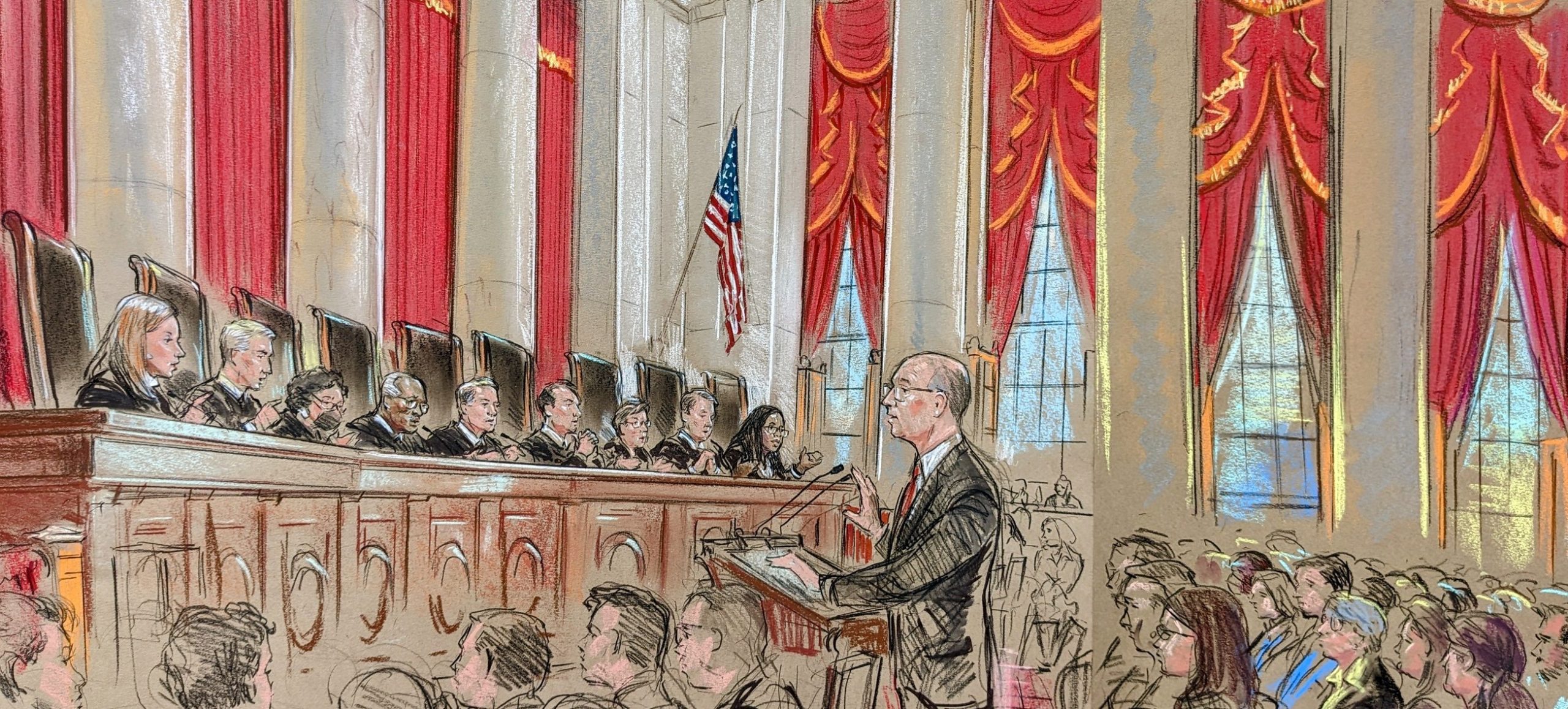
I have not read the nearly 250 pages of opinions in Students for Fair Admissions v. Harvard and UNC and don’t plan to, honestly. But it is impacting exempt organizations so I at least have to know something about them. I compared two summaries prepared by exempt organizations on the front lines of this particular culture war, one each by opposite sides. One by the Roundtable and the other by the Lawyers Committee for Civil Rights. They both pretty much say the same thing about the majority opinion so I probably know enough to comment. From the Lawyers Committee:
First, the Court states that there must be a “meaningful connection between the means they employ and the goals they pursue.” Harvard’s and UNC’s programs lack this connection because their means, i.e., the racial categories the schools use to identify the diversity of their class, are “imprecise” and “plainly overbroad.” The Court notes, for example, that the “Asian” category is overbroad because it includes, without distinguishing, East Asian and South Asian students. It also critiqued that the categories do not clarify what option students from the Middle East should choose.
Second, the Court holds that race-conscious programs must not use race as a negative. The Court found that Harvard’s and UNC’s programs fail to meet this requirement because their programs allowed for a tip or a plus to be given to an applicant based on their race alone. According to the Court, using race in this manner inherently allows for the negative use of race because in the “zero-sum” environment of admissions, a “benefit provided to some applicants but not to others necessarily advantages the former group at the expense of the latter.”
Third, the Court rules that race-conscious admissions programs must not use race in a way that reinforces racial stereotypes. Harvard’s and UNC’s programs did not meet this factor because their programs, according to the Court, provided preferences to students “on the basis of race alone.” This resulted in a system that rests on the “pernicious stereotype that a black student can usually bring something that a white person cannot offer,” which is impermissible.
The fourth and final characteristic of a lawful race-conscious admissions program is that it has a “logical end point.” Harvard’s and UNC’s programs lacked such endpoints because the schools’ proposed endpoints, such as when “there is meaningful representation and diversity” on their campuses, could not be measured to determine when they were met.
That’s a multi-purpose test, but it bends towards “get over it already.” Here is how the Roundtable, spilling champagne all over the place no doubt, describes the potential impact on exempt organizations:
II. Implications for Philanthropy
The impact of SFFA will likely extend far beyond higher education. The decision is at minimum a clear warning that simply reciting “diversity” is no excuse for racial discrimination. Numerous entities are already facing demands and lawsuits to end racial discrimination arising from diversity, equity, and inclusion (DEI) programs and other practices. Multiple law firms have publicly signaled to clients an increased risk of liability.13 And the Supreme Court has previously concluded that racial discrimination is contrary to the common law standards for a charity entitled to tax-exempt status under section 501(c)(3) of the Internal Revenue Code.14
Title VI – Federal Funding. Title VI prohibits racial discrimination under any program or activity receiving federal financial assistance. The Court in SFFA was clear that universities cannot cite generic benefits attributed to diversity or seeking to remedy societal discrimination to justify such discrimination. Accordingly, organizations likely cannot use race-based considerations seeking those same objectives in other programs or activities associated with the use of federal funds, especially in a manner that relies on racial stereotypes or benefits one group over another.
Organizations that receive targeted funds for specific programs could be liable under Title VI for racial considerations in how those programs are implemented. Organizations receiving federal funds “as a whole” or that are “principally engaged in the business of providing education, health care, housing, social services, or parks and recreation” could also face broader liability for racial preferences by the organization in its operations.
Title VII – Employment Discrimination. Although not at issue in SFFA, Title VII of the Civil Rights Act of 1964 applies to employment decisions and similarly prohibits discrimination “because of such individual’s race, color, . . . or national origin.” While the Supreme Court has stated that Title VI and Title VII do not require parallel interpretations, courts have looked to Title VI cases in Title VII cases. In addition, the non-discrimination provisions were enacted at the same time, as part of the same statute, and using functionally equivalent language, creating a strong argument that the Title VII prohibition on discrimination should be interpreted consistent with the limitations imposed by Title VI.21 Justice Gorsuch’s concurrence in SFFA even noted that “everything said here about the meaning of Title VI tracks this Court’s precedent in Bostock [v. Clayton County, 140 S. Ct. 1731 (2020),] interpreting materially identical language in Title VII.” To be sure, the Court has held that Title VII allows for temporary affirmative action to “eliminate manifest racial imbalances in traditionally segregated job categories.” But outside this narrow exception, SFFA suggests race-based affirmative action—including to achieve diversity or remedy societal discrimination—is prohibited.
Racial hatred is over I guess. We’s free and we’s getting equal opportunity now.
darryll k. jones