
Post-Covid Charitable Giving Data Points
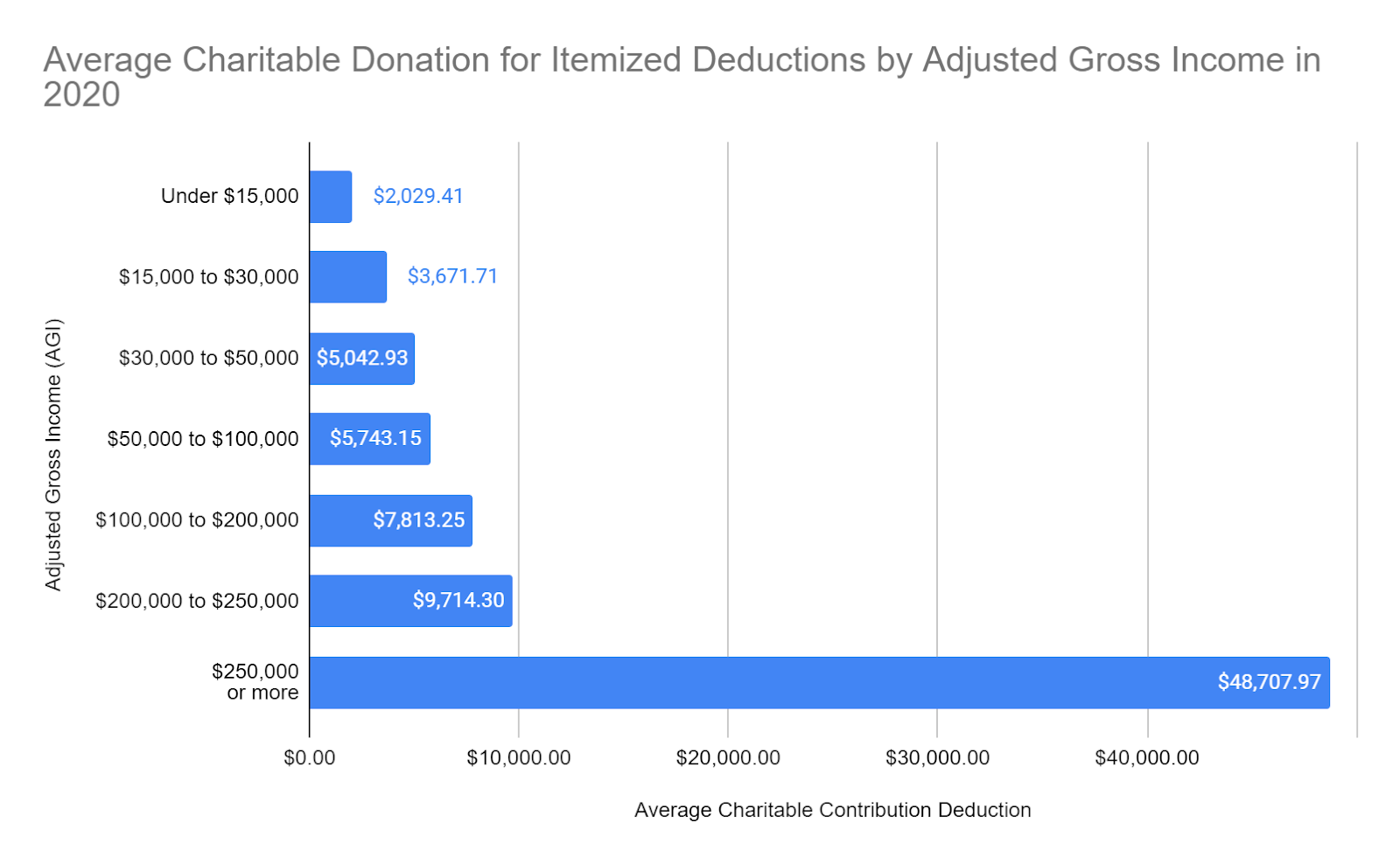
Two new reports of survey suggest various reasons why John and Jane Doe are withholding individual charitable contributions, including one that reports that they think John and Jan RichDoe should be contributing more. We reported a week ago that giving has decreased since the pandemic withered. According to one summary, Give.Org’s new survey found that “nearly half of those who stopped giving to charity over the past five years said they did so because they thought wealthier people could afford to give more — and should. Others said they simply could not afford to give.”
Other findings from Give.Org:
WHY PARTICIPANTS SAY THEY STOPPED OR DECREASED THEIR CONTRIBUTIONS TO CHARITY
. . .
3. Younger participants are less likely to say they stopped donating because they can’t afford
to, but more likely to say they don’t feel like they have been asked or don’t feel connected to
the charity. Among Boomers who stopped contributing, 76.9% said they could not afford to, compared to only 27.3% of Gen Zers. On the other hand, among Gen Zers who stopped contributing to charities, 45.4% said they did not feel like they had been asked, compared to 3.8% of Boomers.
4. Finances aside, participants say they stopped contributing because they preferred other ways of being generous, did not trust the soliciting charity, or did not feel like they had been asked.
When asked to identify why participants stopped or decreased their contributions to charity,
respondents most frequently say they could not afford to or had to prioritize family spending.
Finances aside, the most frequent reason given among people with household income above
$70k who stopped donating was lack of trust in the soliciting charity (17.4%). Among people
with household income above $70,000 who decreased their contributions, the most frequent
explanation was preferring other ways of being generous (25.0%).
5. People who increased donations are most likely to say it is essential to trust a charity before
giving and to highly trust in charities. People who increased their contributions to charity are most likely to say it is essential to trust a charity before giving (72.0%) and report the highest portion of respondents that highly trusts charities (30.9%). On the other hand, 46.3% of people who stopped giving report high demand for trust, and only 13.9% report high trust in charities.
6. People who stopped or decreased donations to charities are less likely to believe that charities are more impactful than responsible businesses. Among those who stopped donating to charities, only 1 in 4 (25.5%) think that donating to charity has a stronger impact on society than shopping at socially responsible businesses. In contrast, 58.3% of people who increased their contributions to charity believe donating to charity has a stronger impact. Most Matures and Boomers (52.3% and 51.3% respectively) say donating to charity is more impactful than shopping at socially responsible businesses. Most Gen Zers (52.7%) say it is roughly the same
(27.2%) or more impactful (25.5%) to shop at socially responsible businesses.
Candid, part of the GuideStar family, reports that foundation giving has increased nominally, but decreased in real dollars:
Among the 557 survey respondents who provided funding data for fiscal year end (FYE) 2021 and 2022, cumulative giving increased from $25.3 to $26.1 billion. This 3% increase in grant dollars is much lower than the 12% annual increase in 2021 and 24% increase in 2020 (all figures are unadjusted for inflation). Rather, the 2023 change in giving more closely matches findings from survey data in pre-pandemic years. From 2015 to 2019, the annual change in grant dollars ranged from a high of 7% in 2017 to less than 0.1% in 2019.
. . .
Most foundations’ giving did not keep pace with inflation
The annual average inflation rate in 2022 was 8%, according to the Consumer Price Index. That means that foundations had to increase their grant dollars in 2022 by 8% simply to keep up with inflation. About 41% of foundations increased giving by at least 8%. The median foundation awarded 4% more grant dollars. (We will explore the impact of inflation on giving in our next blog in the series.)
Median payout by independent foundations in 2022 remained at 5.0%
Private foundations must generally meet an annual payout requirement of 5% of the average market value of their net investment assets. In 2022, the average payout among 349 independent foundations was 6.8%, similar to last year’s survey’s average. The median and mode were 5.0%.
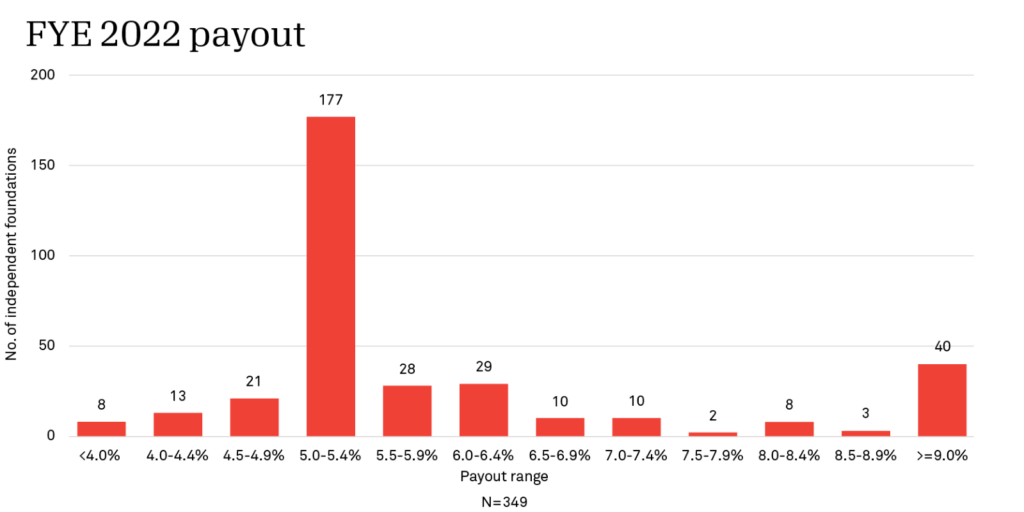
Nearly half (48%) of independent foundations reported that their 2022 payout remained about the same as in 2021. Thirty percent reported that their payout increased. Reasons for increased payout included market performance and large one-time or multi-year grants. Interestingly, one foundation responded, “We are not as concerned about perpetuity as we used to be.”
The remaining 22% stated their payout decreased. A handful cited that they adjusted for higher payout in 2021 in response to the COVID-19 pandemic. This suggests that some foundations that increased payout during the pandemic reverted to “normal grantmaking patterns” afterward. Notably, among 77 foundations that decreased payout, 20 reported a payout of 6% or higher. Though these foundations’ payout decreased, they still gave at a rate above the legal minimum requirement.
darryll k. jones