
Metadata, Conservation Easements and The Big Mess at Chief Counsel’s Office
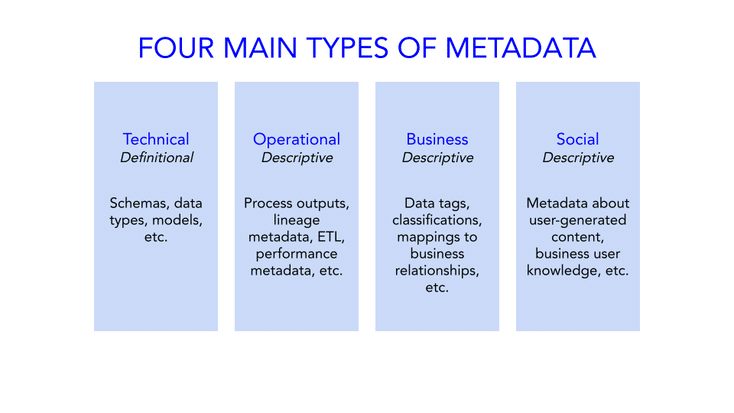
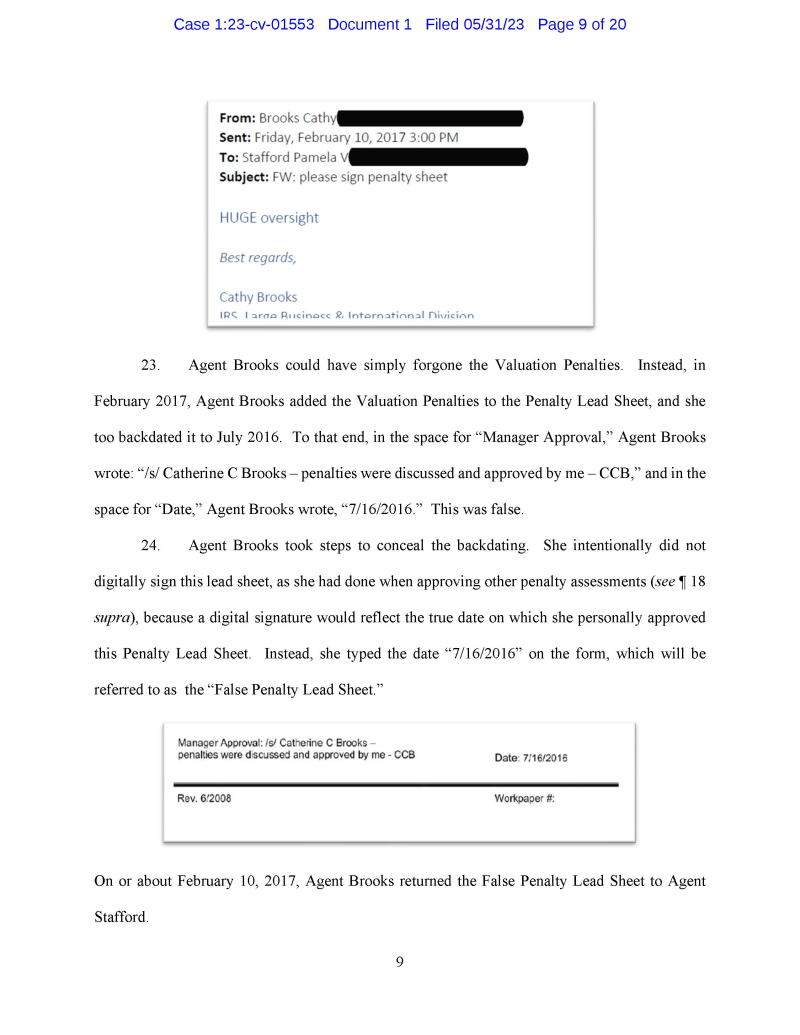
Its not exactly the Tea Party scandal, but I imagine there is some serious consternation going on over at Chief Counsel’s office. It seems some young gun revenue agents were hot on the trail of a massive — $38 million — conservation easement deduction they correctly thought was entirely over valued. Not only were they intent on disallowing the deduction, but they determined to impose significant penalties. The only problem, apparently, is that you gotta get a sign-off on penalties before sending the notice. Well, the lead young gun forgot that requirement. She didn’t realize the mistake for almost a year and when she explained the mistake to the Top Gun, Top responded cryptically by noting the omission was a “HUGE oversight.” She didn’t say “fix it,” exactly, or “hey, we all make mistakes.” Just that it was a “HUGE oversight.” All by email, which becomes important later on. I don’t know about you but if I get a two word email from my supervisor that says, in effect, “you really f*!ked up!” I am probably gonna try to fix it. By any means necessary. I might just get the signature and back date that bad boy. What can it hurt, the bastards are guilty anyway right? The idea would cross my mind, let’s just be honest. And with that, the young gun litigators prevailed in Tax Court. Drinks all around, right? The only problem is the conservation easement syndicate is backed by lots of money and can afford big law firms — in this case Skadden Arps — with their own young guns pining for billable hours. And nowadays, young guns watch a lot of CSI and they know the value of forensic metadata. Law 360 (free registration required) picks it up from here with links to all the entertaining pleadings.
A partnership challenging more than $38 million in slashed deductions for its donation of Georgia conservation land sued the IRS in a D.C. federal court for failing to release records related to what it calls the coverup of a backdated penalty document. The Internal Revenue Service intentionally backdated an internal document to support imposing valuation penalties against LakePoint Land II LLC and then failed to release emails, metadata and other communications related to the incident in response to an April 10 Freedom of Information Act request, the partnership said Wednesday in a complaint.
Further, the IRS knowingly submitted false documents and made false statements, including sworn declarations, related to the penalty document in the U.S. Tax Court, where the partnership is fighting the penalties and its reduced deductions for 2013 and 2014, all related to its 275-acre land donation, LakePoint said. “The IRS provided false information to a judge of the United States Tax Court while seeking to impose stiff penalties, and adding insult to injury, the IRS endeavored to obfuscate, cover up, and hide the truth from the taxpayers and the court,” the partnership said in the complaint.
“Oh, my bad!” said the IRS, in a pleading that goes on for miles trying to explain it all. No kidding. Chief Counsel pretty much admitted the whole thing but begged the Tax Court’s indulgence, along with a plea not to impose sanctions. Quoting again from Law 360:
The IRS admitted that its trial team in a $38 million conservation easement deduction case made mistakes in submitting evidence to the U.S. Tax Court that turned out to be inaccurate, but those errors don’t rise to the level of fraud warranting punishment by the court, the agency said. In a response to LakePoint Land II LLC’s call for sanctions against the agency, the Internal Revenue Service said Friday that its former lead attorney on the case didn’t know that a document he submitted as evidence had been backdated by a revenue agent, partly because he was relying on a paper version of the administrative file rather than electronic records. Further, the government attorneys notified the court within days of discovering the error, the IRS said. “Respondent’s employees and counsel did not act in bad faith and their conduct is not sanctionable,” the IRS said in the response.
. . .
LakePoint, which petitioned the Tax Court in June 2017 to reinstate $38 million worth of disallowed deductions for a donated conservation easement in Georgia, argued earlier this month that the IRS didn’t actually tell the court it knew about the backdated evidence until April, when the agency formally apologized. That’s when the agency acknowledged that internal emails revealed that a penalty document purporting to have been approved in July 2016 wasn’t actually signed until February 2017. The IRS asked the court to reconsider its March judgment in favor of the agency, saying the agency had inadvertently presented the court with inaccurate evidence. The agency asked the court to still uphold the valuation penalties against LakePoint, but to substitute different evidence for its reasoning.
So now, Chief Counsel has to fight off sanctions, salvage the disallowance, and somehow try to keep the penalties. And on top of that, DOJ has to fight a district court FOIA complaint filed by the syndicate. Talk about forfeiting the moral high ground! I don’t think Chief Counsel should retreat; but this might be a good time to consider “advancing to the rear” as we used to say in the Army.
darryll k. jones