
Strategic Planning in Dutch Charity Organizations
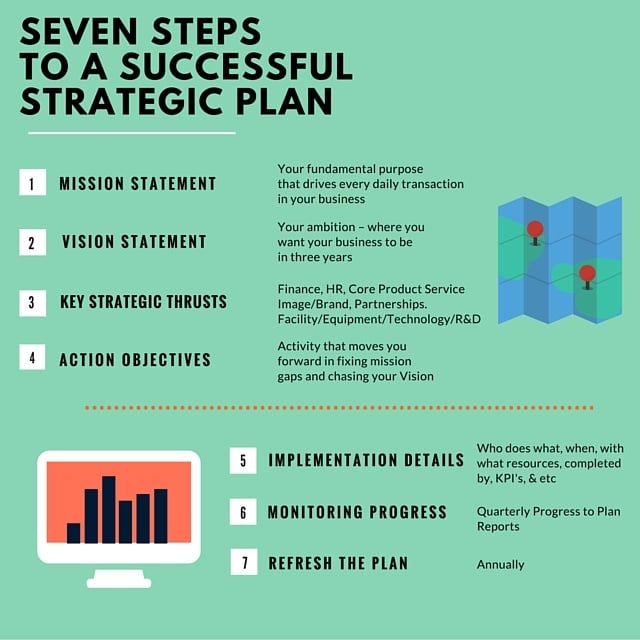
From SSRN, a paper analyzing strategic planning in Dutch charities:
In this study, we explore how charities adopt and apply practices of social impact measurement — analysing a dataset of over 450 Dutch charity organisations. Although the concept of social impact is ambiguous and the field undertheorized, there are universally recognized factors that are regarded as vital for the strategic use of impact measurement. We identify three types: Type 1 organizations are characterized by an incoherent logic model, indicating a more symbolic use of impact measurement. Type 2 organizations are characterized by the adoption of a coherent logic model, but a lack of organisational learning. This indicates that the organisation has a strategy in place to reach long-term objectives, but this strategy might not be supported by evidence. Type 3 organisations are those with proper logic model and a system for evaluation and learning. In our sample, this group is by far the smallest: only 10.8% of the organisations fall into this type. Almost half of the charity organisations are Type 2 organisations. They have a strategy to achieve long-term objectives with logical chain of expected events between their activities and the intended impact, but they do not test their assumptions, measure their impact and/or adjust their projects according to the conclusions of the evaluation. The size of the Type 1 category charities is remarkable: 4 out of 10 charities that claim to measure their impact do not have a coherent logic model. In other words, their projects do no logically align with their intended long-term objectives.
darryll jones