
Opinion Page: When regulatory burdens rise, charities suffer
Former Federal Reserve Chairman Alan Greenspan once noted, “whatever you tax, you get less of.” The same is true of excessive regulation. Unfortunately, that’s something it appears the Biden administration doesn’t understand.
Last month, the White House released plans to double the threshold for what counts as an “economically significant” regulation, from $100 million to $200 million in annual effects. The move massively expands the volume of regulations that can be approved without any additional oversight.
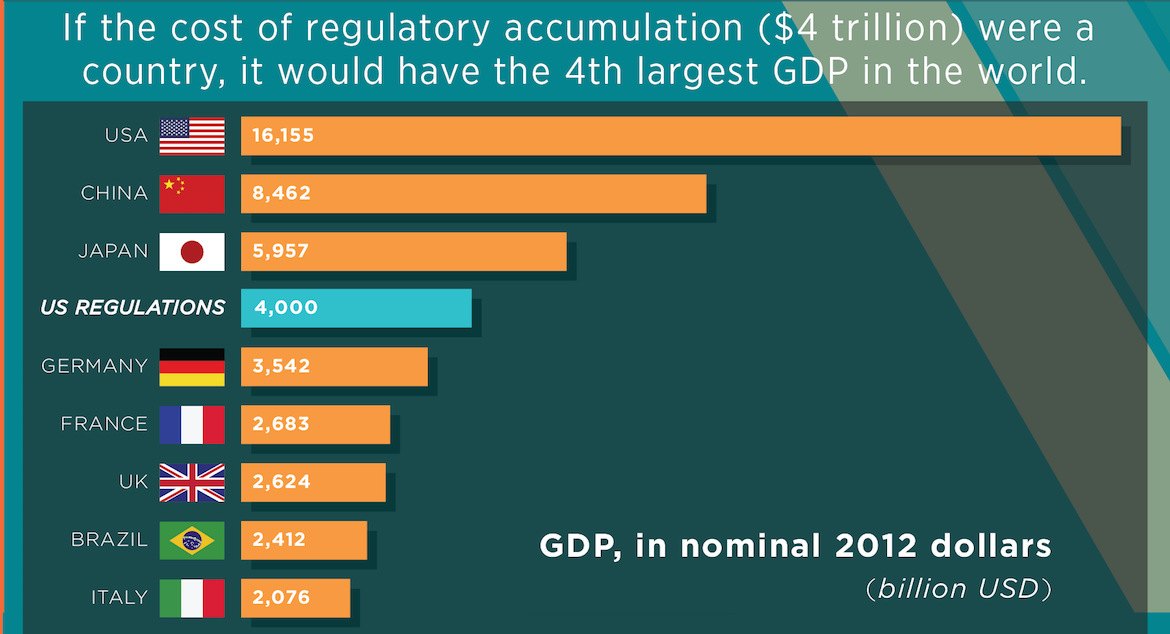
Excessive regulatory accumulation has serious costs, and while this development is obviously bad news for an economy already weighed down by a cost-of-living crisis, what’s less obvious — but no less important — is how regulatory burdens affect charities in the U.S.
Earlier this year, economist Wayne Winegarden published a study with the Philanthropy Roundtable that suggested excessive levels of regulation are counterproductive to fostering a positive environment for charities to flourish.
Specifically, the study observes how regulatory accumulation impacts charitable activity across the 50 U.S. states. To account for the different ways in which states regulate charitable organizations, the study considers start-up fees, annual reporting requirements, solicitor fees, audit requirements and various oversight regulations that exist in all 50 states.
Charities are often subject to a complex web of regulations at the federal, state and local levels. Compliance with these regulations can be time-consuming and expensive, diverting resources away from the charity’s mission and the communities they serve.
. . .
darryll jones