
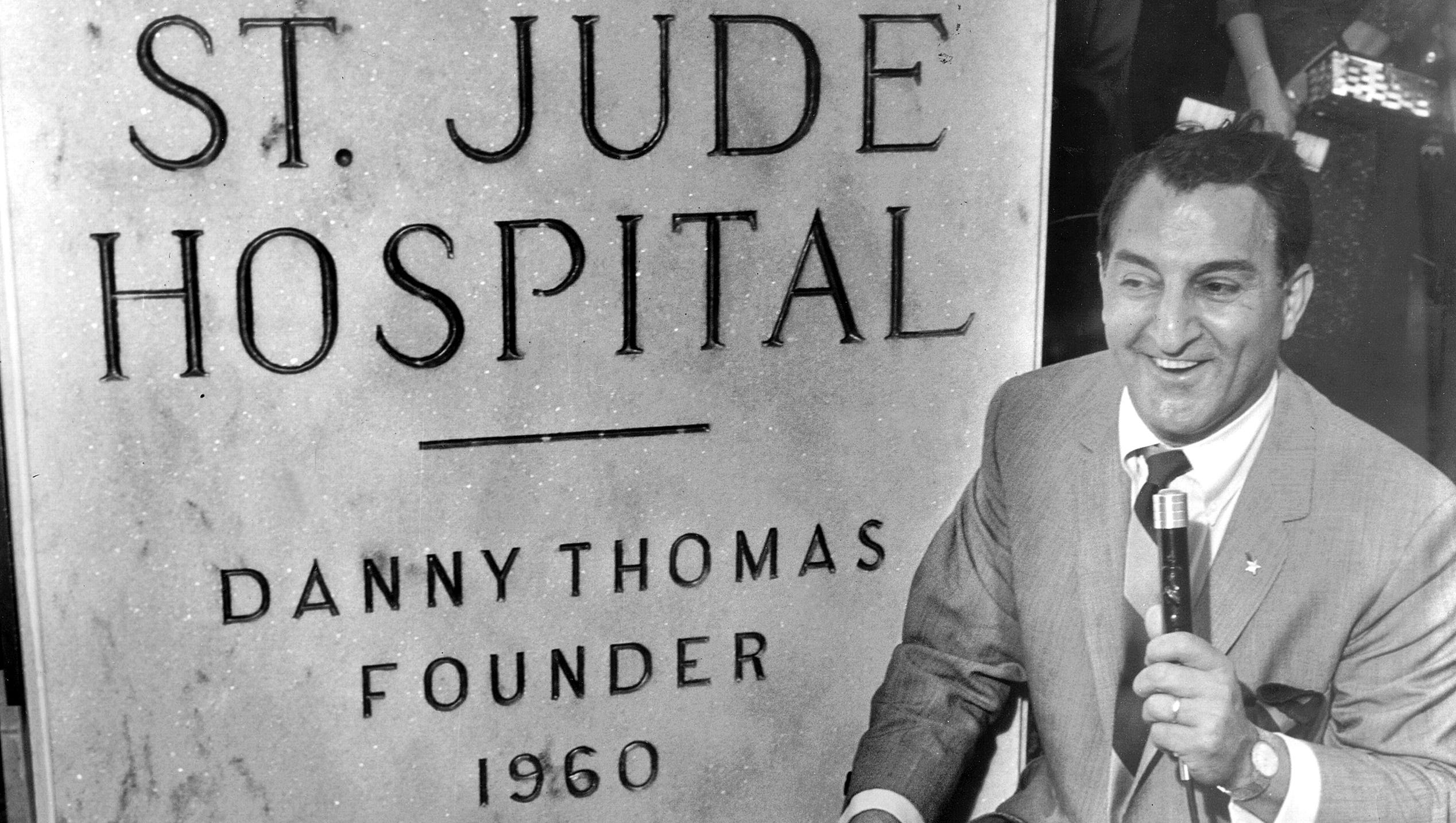
The sight of that prompt was so frustrating because my office is the headquarters of the Hope for Henry Foundation, a local nonprofit organization I founded two decades ago to enhance health outcomes for Washington’s most vulnerable children. How, I thought, can Hope for Henry have the best chance of finding support for its work when the fundraising behemoth St. Jude is essentially knocking on doors in our neighborhood from nearly a thousand miles away?
The well of charitable support in this country is both deep and broad, and raising money is not a zero-sum game among nonprofits. But because fundraising can also be a business — with the biggest nonprofits spending the most money to make the most money — it’s worthwhile to remind folks now and again to think about how they choose the organizations they support.
Last year, the investigative journalism outlet ProPublica reported that of the $2 billion St. Jude raised to much fanfare in fiscal 2021, nearly half went unspent, and that by the end of that period, the hospital’s reserve fund had grown to $7.6 billion. In related articles, ProPublica questioned the charity’s financial management and mission fulfillment as it documented families sleeping in their cars to access treatment.
Local institutions that are closest to the needs of their communities, start-ups that offer new energy and innovation in their field and other midsize nonprofits often find themselves overshadowed by the colossal presence of the St. Judes of the world. Large national organizations certainly do plenty of good work serving many people, and charitable donations are the oxygen they need. It is only when they start hoarding the oxygen tanks — or leaving billions unspent — that potential donors should consider whether their dollars are making a difference in someone’s life.
. . .
darryll jones