
Opinion Page: East Palestine Disaster Shows How Philanthropy Can Halt Chemical Accidents in Their Tracks
From the Chronicle of Philanthropy, May 16, 2023
. . .
This is personal for me. I live in Hillsborough, N.C., where my house is just a stone’s throw away from a rail line carrying some of the same toxic chemicals that were spilled in Ohio. I worry every time I hear a train go by that my community may be next.
East Palestine and Hillsborough — and Brunswick, GeorgiaWest Newbury, MassDeatsville, Ala., if you count some of the chemical spills in just the last few weeks — sit in a toxic, global web of oil, gas, and petrochemical production that touches everyone in this country. Disasters can and do happen anywhere on this web. On average, toxic-chemical releases, fires, and explosions occur every two days in the United States — most in low-income neighborhoods and communities of color where the majority of fossil-fuel infrastructure is concentrated. Few get the kind of attention the East Palestine disaster received.
Nationwide, members of the Health and Environmental Funders Network, which I lead, are expanding the pool of grassroots organizations defending against the rapid spread of fossil-fuel development and petrochemical disasters. But much more support is needed to protect communities from chemical disasters.
That starts with better data and communications following a disaster. To save lives in the wake of a chemical disaster, residents and emergency responders need to know what substances they have been exposed to and how to protect themselves.
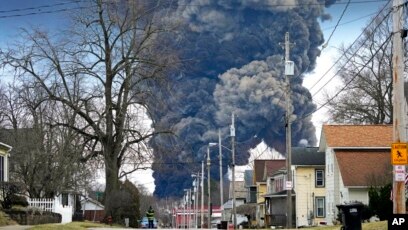
In East Palestine, residents were told it was safe to go back home just five days after the derailment and two days after hazmat teams burned off five train cars’ worth of spilled vinyl chloride — a known carcinogen. Chemical fires were still burning when the evacuation order was lifted, but the Environmental Protection Agency declared no air-quality concerns of note. East Palestine’s drinking water was also deemed safe after only a week’s worth of EPA testing conducted privately on behalf of Norfolk Southern, which operated the derailed train.
This type of rushed and industry-funded disaster response doesn’t exactly inspire trust in the institutions charged with protecting public health.
So when it became clear official testing might not be capturing the full extent of the contamination, the nonprofit Environmental Health Project and other local groups sprang into action. This included conducting independent soil, water, and air-quality testing and providing real-time public-health information to help residents manage their exposure.
. . .
darryll jones