
Boycott, Divestment and Sanctions
I know too little about the BDS movement. So I am not going to open my big mouth and insert one of these feet into it. I was going to editorialize at first — pointing out BDS’s relationship to the anti-apartheid movement — but I quickly understood that there are people who have studied the conflict all their lives without yet figuring it out. Discretion the better part of valor, I guess. I just call it “the conflict” to be safe, by the way. I don’t even want to label it as something more than that because I can’t be sure my ignorance won’t offend. My reluctance to pontificate is more than that. I might fear having to admit that maybe there are moral vantages on both sides. I have four daughters and I get the same feeling when the subject of transgender girls competing against biologically birthed (is my language surgical enough not to offend?) girls comes up. I imagine there are some white people who feel that way when all they want to do is talk seriously about race too. I prefer the risk of enlightenment over the risk of offense so please do speak up whenever I say something stupid about anything on this blog or even if you just overhear me carrying forth about something I know little about in a restaurant.
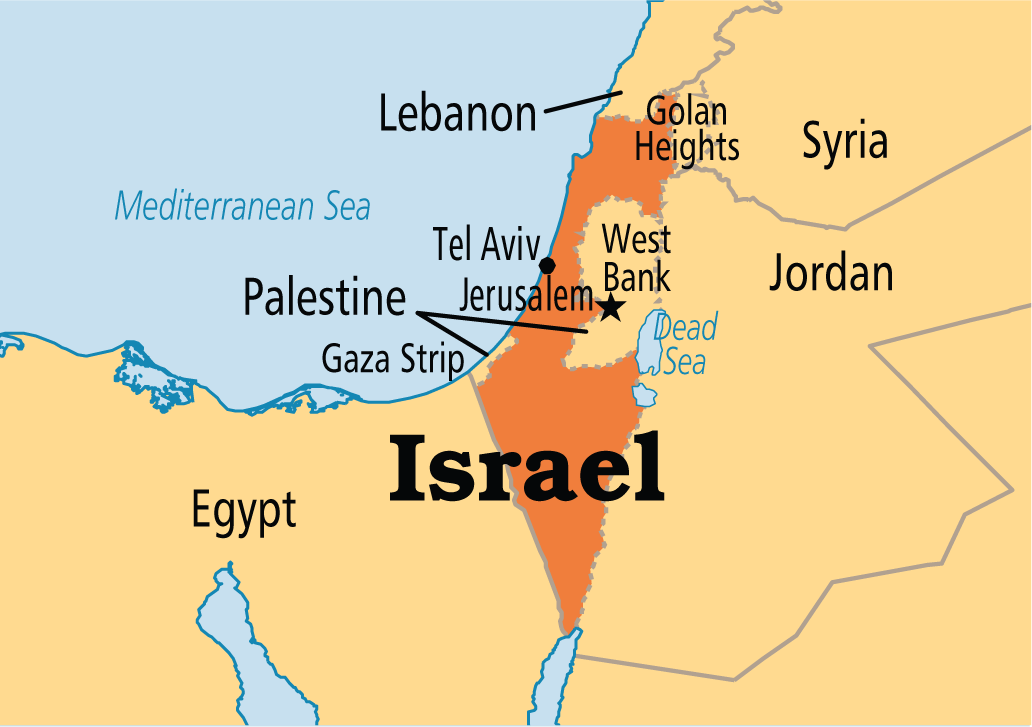
Wikipedia has what seems like a pretty balanced and thorough encyclopedic entry on Boycott, Divestment and Sanctions. If you want to learn more about the BDS Movement’s impact on college campuses, you can get more than you have time to read by simply googling “BDS on campus.” I looked it up because two days ago the DC Court of Appeals upheld dismissal of a claim for damages against the U.S. Campaign for Palestinian Rights (“USCPR”), an exempt entity associated with BDS. Plaintiffs were Americans living in Sderot and Netivot, two little towns in the “Gaza Envelope,” itself adjacent to the part of the Gaza Strip under control of Hamas, a designated foreign terrorist organization. And from the Gaza Strip, the complaint alleges, Palestinians hoist incendiary devices to float over the two towns and cause death and destruction when they land. Well here is the tenuous connection, if any, to USCPR, BDS, and finally, exempt organizations. Because if the suit were successful one immediate consequence would be that USCPR would no longer qualify for tax exemption. The more important implication, though, concerns exempt organization’s ability to advocate for moral change, however the organization defines it.
The complaint alleged that USCPR is a member of the Palestinian BDS National Committee (the National Committee) which is a coalition of nonprofits behind the BDS movement. True, said USCPR. But here is where things start falling off the rails. The complaint alleged that USCPR donates to the National Committee, itself a 501(c)(3). True, said USCPR. Well, the complaint says, everybody knows that the National Committee is a Hamas controlled organization and that homemade bombs don’t get thrown into Israel without Hamas’s approval and therefore USCPR aids and abets terrorism by its support of the BDS movement coordinated by the National Committee that is controlled by Hamas. Torts students three weeks into law school understand proximate cause and so did the court. The case was dismissed as too tenuously harnessed, if at all, to Hamas terrorism.
It remains true, though, that Civil Society is always in the crosshairs of one side or the other even when Civil Society is just trying to figure it out. Of course, wolves sometimes disguise themselves in sheep’s clothing so its necessary that laws allow for the possibility. But we should tread lightly, if only not to stifle the legitimate role NGOs play in the resolution of human conflict.
darryll jones