
When Music Became Tax-Exempt: Jazz
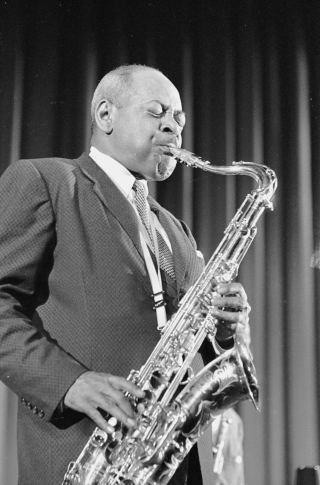
Well, kind of. Jazz was dead, but only if by “dead” you mean “no longer the center of pop music.” Frankly, the contemporary jazz scene may be the most vibrant, interesting, and diverse that jazz has ever been.
So how did jazz survive? Interestingly, in 1965–a decade after Elvis signed to RCA and a year after the Beatles invaded the United States–the IRS issued Rev. Rul. 65-271. The Revenue Ruling expressly provided that promoting jazz was an acceptable tax-exempt purpose:
Cultural organizations devoted to the promotion of the arts may qualify for exemption as being educational or charitable in character. See Rev. Ruls. 64-174 and 64-175, C.B. 1964-1 (Part 1), 183 and 185, respectively. By presenting periodic jazz festivals or concerts, as described herein, the organization in question is developing and promoting an appreciation of jazz music as an American art form.
Did tax exemption save jazz? I don’t know; I tend to doubt it, but I also know that tax-exempt organizations are critical in the continued viability of the art form. It is interesting, however, to be able to pinpoint the moment when jazz transforms from popular entertainment to an appropriate subject of tax exemption.
Samuel D. Brunson
Photo by U.S. Dept. of State, Agency for International Development. [Festival de Jazz de Cannes].