
Will NIL and The Transfer Portal Destroy NCAA’s Last Hope of Amateurism?
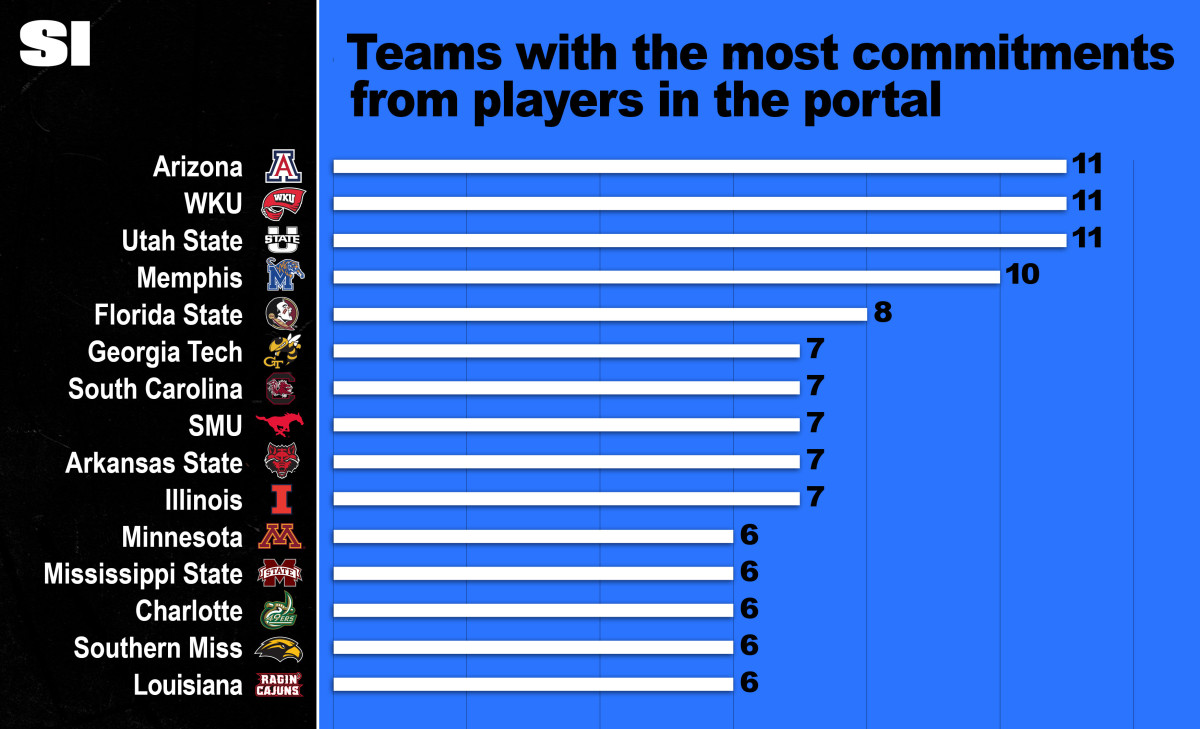
From a Sports Illustrated Article
I am all for student-athletes getting paid a fair price for their efforts, and I lean towards the view that a free education, although invaluable, is nevertheless not fair compensation. My opinion is heavily influenced by the astronomical salaries paid to coaches in the big money sports, even though I understand that coaches who make NBA or NFL salaries are a decided minority. But I gotta say, NIL agreements and the Transfer Portal are destroying the NCAA’s allure if nothing else. Its getting to the point that a fanatic, like me, cannot develop the emotional attachment that makes us lose our minds and pay the NCAA astronomical amounts (collectively and sometimes individually — March Madness tickets at Orlando’s Amway center last week started at $500 for a Bob Uecker seat at Tennessee v. Duke) to watch as universities engage in their charitable activities. At the end of every season, the players we learned to love or hate can now enter the NCAA’s version of free agency and in the next year we won’t see them on “our” team, but on somebody else’s team. All as if college basketball and football are just businesses.
Here is an abstract for David and Daniel’s recently posted article about the NCAA dying very slowly, like a person fading away by Alzheimer’s disease, and before the he finally expires, presenting as a person nobody really knows or understands anymore. Things just never stay the same, I guess.
Abstract
NCAA sports stand on the precipice of professionalization. Following the monumental shift of allowing NIL-related compensation for student-athletes in 2021, the NCAA finds itself fending off multiple student-athlete attacks founded on antitrust, labor, and minimum wage laws that could apply if student-athletes are deemed employees of their universities. Commentators that once glorified the concept of the amateur athlete, now openly predict the end of amateur sports as we have known them. This article addresses the Sherman Act and the possibility of an antitrust exemption that could allow the NCAA to implement many of the cost controls it would prefer to maintain a semblance of amateurism, and it also looks at many of other the legal consequences likely to flow from the potential professionalization of college sports. This article covers the latest effort by student-athletes to unionize, and the NLRB’s apparent receptiveness on that point. This article also addresses the effect of Title IX on college athletics if student-athletes are considered employees, the pivotal case currently before the Third Circuit regarding employee classification and minimum wage laws, workers’ compensation issues for universities, as well as tax-related concerns for the student-athletes themselves. The article is also the first to address immigration-related consequences for international student-athletes if they are considered employees, and the impact on both the international athlete and host university. The college sports landscape has undergone radical change in the past decade, and, without Congressional intervention, even greater change is likely on the horizon.
darryll jones