
Nonprofits Worry About FTX Charitable Donation Clawbacks
:format(jpg)/cloudfront-us-east-1.images.arcpublishing.com/coindesk/4BSCHAQRJBHXHAB2T7I4SCVGW4.jpg)
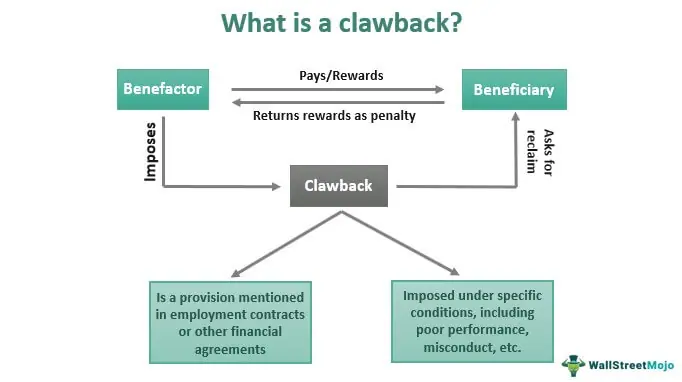
Saturday’s WSJ had an interesting story about FTX’s continuing efforts to recover SBF’s (pictured above) charitable contributions to some pretty heavy hitter nonprofits before FTX imploded. Organizations like Stanford University and Good Food Institute. Here are a few snippets:
Future Fund, FTX’s primary charitable arm, pledged more than $160 million to more than 110 nonprofits as of September, according to its now-defunct website. Grantees included biotech startups and university researchers working on Covid-19 vaccines and pandemic preparedness studies; programs that provide online resources and mentoring to STEM students in underdeveloped parts of India and China; and a nonprofit building renewable solar panels in communities ranging from Appalachia to the Brazilian Amazon.
Millions of dollars were doled out just in 2022, per Future Fund’s former site, even as crypto prices were crashing. According to the old website: Future Fund pledged $3.6 million to AVECRIS to build the “next generation genetic vaccine platform,” and $5 million to the Atlas Fellowship to support scholarships and a San Francisco-based summer program for high-school students.
One of the largest pledges, according to the old website, was $10 million to biotech startup HelixNano to run “preclinical and Phase 1 trials of a pan-variant Covid-19 vaccine.”
The Alignment Research Center, a nonprofit focused on machine learning, announced that it will return its $1.25 million grant from the FTX Foundation, saying the money “morally (if not legally) belongs to FTX customers or creditors.” ProPublica, a nonprofit investigative media outlet, said it would return the $1.6 million it received from Building A Stronger Future, Mr. Bankman-Fried’s family foundation.
Many charities have already spent at least a portion of the money received from FTX. A spokeswoman for the Good Food Institute, a nonprofit think tank supporting plant- and cell-based meat alternatives, said it has already spent all the funds it received from two FTX grants. The spokeswoman said GFI’s legal counsel advised that the odds of having to return grant funds were low, based on their grant agreement.
Stanford Medicine received approximately $4.5 million and was promised another $1 million, a spokeswoman said. She said she couldn’t disclose the amount already spent, but said that the school is holding any remaining funds while it waits for legal clarity.
A major challenge is figuring out when FTX became insolvent—or whether it was ever solvent in the first place. If a donation was made while FTX was technically unable to pay its creditors, those funds may need to be returned due to bankruptcy laws.
“This case is all about solvency,” said Dov Kleiner, bankruptcy partner at Kleinberg, Kaplan, Wolff & Cohen PC.
dkj