
Who Has Standing to Challenge Tax Exemption for Hate Groups
ABSTRACT
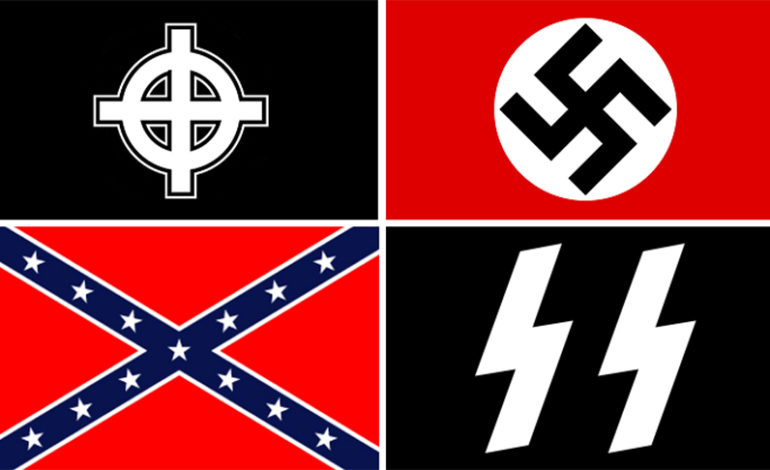
In a companion piece, I prove that government may and indeed must deny tax exemption to hate groups claiming to be charitable or educational under IRC 501(c)(3). The typical response is that denying tax exemption based on what hate groups “teach” violates the First Amendment because it necessarily punishes speech. The argument is flawed and incorrect for several reasons thoroughly explored in the companion work but merely summarized here. Simply put, government can define the outcomes it pursues via tax exemption, and then deny tax exemption to organizations that do not pursue those outcomes. The government may define charity as a benevolent outcome that excludes discrimination or hatred by whatever speech. Likewise, it may define education as a mind-expanding process that excludes indoctrination by whatever speech. In neither case must the government’s definition and corresponding tax exemption be contingent on speech content. When the government nevertheless subsidizes hate groups, may an offended taxpayer challenge that subsidy in the same manner as the taxpayers who successfully challenged Bob Jones University’s tax exemption?
Flast v. Cohen and Bob Jones University v. Commissioner provide a clear path for standing but they have been severely undercut by Arizona Christian School v. Winn and Allen v. Wright. The latter two cases rely on tortured and absurd logic, but they nevertheless represent substantial barriers to standing. I therefore take up a proposal first offered by Professor Linda Sugin who lamented that the Court’s standing doctrine created a whole category of “invisible taxpayers” with no apparent means to challenge government’s unconstitutional indirect spending. Professor Sugin suggested that Congress could grant citizen standing, thereby providing a means of redress. It cannot be true that constitutional violations are immune simply because the violation affects everyone, as some courts have suggested in suits challenging state and local government maintenance of confederate statues and monuments. Everyone is affected, but some more than others. I borrow from Sugin’s work and over 20 environmental law statutes granting citizen standing. Congress could easily provide the same for taxpayers challenging tax exemption for hate groups. It should include various conditions to preclude a frivolous and harassing flood of litigation and allow for routine intervention by the Internal Revenue Service so that the neutral agency with the most expertise may support or oppose plaintiffs.
darryll k. jones