
Catholic Charities Bureau v. Wisconsin Department of Labor: A Religious Integral Part Doctrine Argument
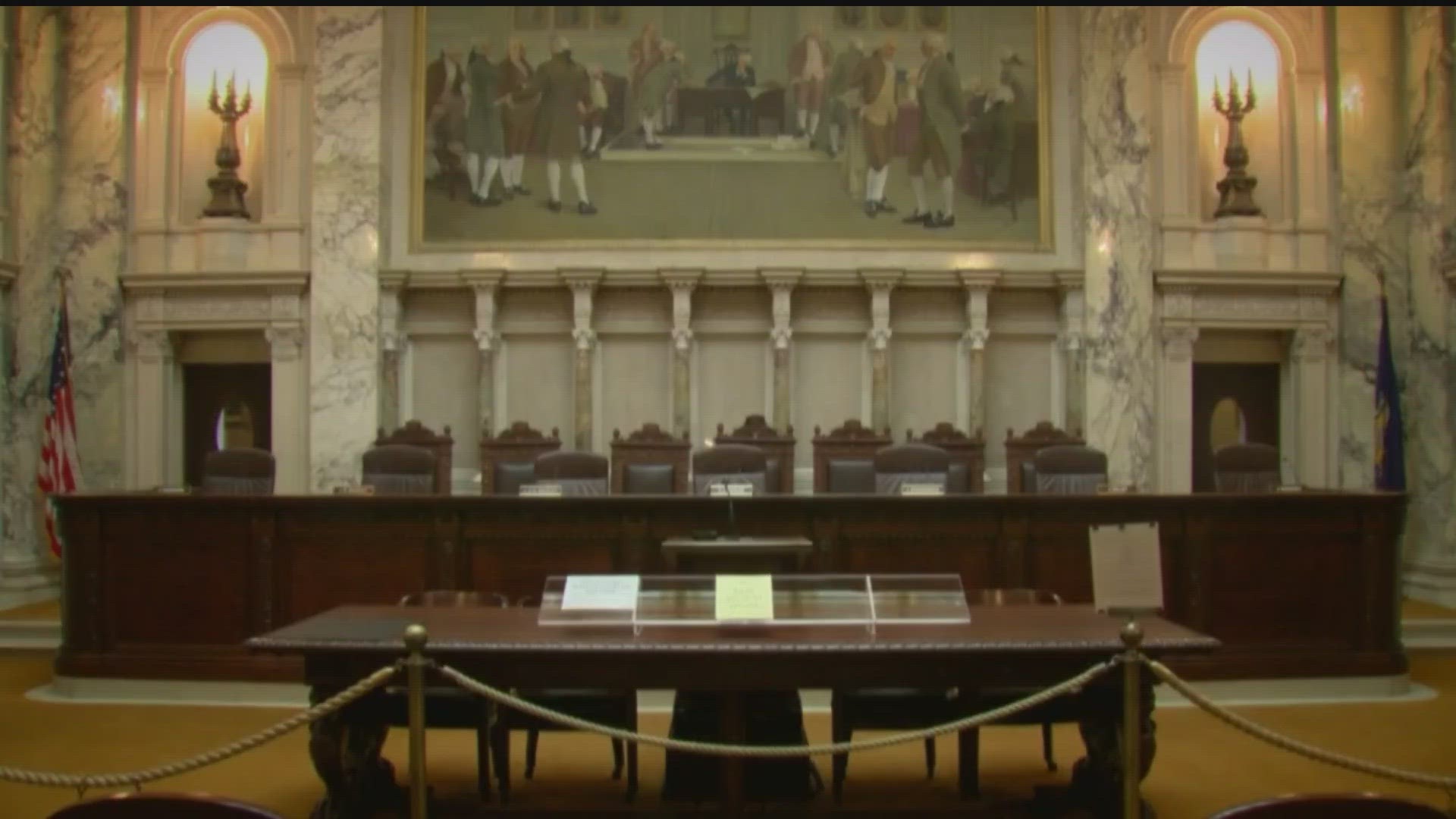
We previously reported that a Wisconsin appellate court determined that the entities composing Catholic Charities Bureau (CCB) in Wisconsin did not meet the definition of a religious organization for purposes of the state’s unemployment tax. CCB appealed and the Wisconsin Supreme Court, which has been in the news of its own accord lately, heard oral arguments (Media Player required) Monday. The approximately 45 minute argument is worth a listen.
The justices almost immediately focused on the fact that Catholic Charities Bureau is a separate corporation owned and operated by the Catholic Diocese. That organization is most certainly “religious” and exempt from the state version of FUTA. But most charitable services are provided by the many independently owned and operated nonprofits — “sub-entities,” as the Court called them — that are officially recognized by, and as a consequence of that recognition, regulated by CCB. CCB’s regulation consists primarily of rules requiring broad nondiscriminatory provision of charitable services without regard to beneficiaries’ faith or immutable characteristics. Otherwise, the sub-entities have thoroughly secular motivations and are independently governed. That was my understanding before oral argument and I think the state too easily conceded the petitioner’s retort that the sub-entities, too, associate with CCB out of religious motivation. Ultimately, the case is sort of an integral part test for religious organizations and houses of worship. Significantly in this regard, the State concedes that the secular organizations are operated and controlled by the CCB, even though they are otherwise secular. They need not ascribe to the Catholic or any religious faith at all.
Its a very tough question. Because it seems heresy to say that the CCB is not a religious organization and that’s been the headline since the beginning. The headline screams for reversal if it is correct. But that’s not what the lower court held. It held that the “sub-entities” are not religious and must therefore contribute to the workers’ compensation fund. CCB itself remains a religious organization and the question becomes how strongly and far down CCB’s undeniably religious purpose extends to provide religious exception to the sub-entities.
The oral argument spent a good deal of time on “religious purposes” — a “term of federal tax art,” according to Wisconsin’s counsel — and “church” as interpreted under IRC 501(c)(3), and whether the Courts may even appropriately judge whether an organization is religious or a church. You can listen to the arguments here (Media Player required).
darryll k. jones