
Lawmaking by Caricature: Donor Advised Funds and Donor Anonymity
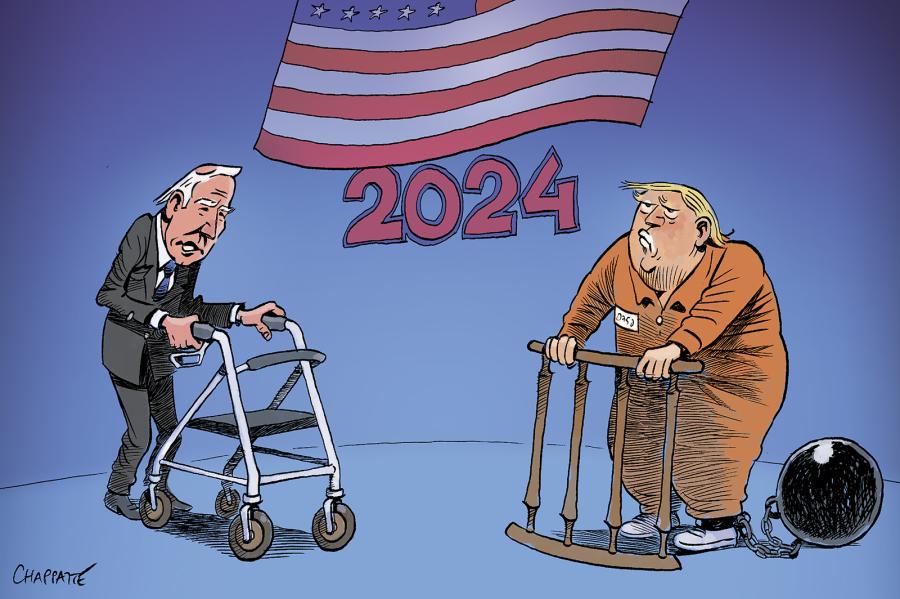
Donor anonymity and donor advised fund payout mandates are two different issues rightly or wrongly depicted by caricature. We normally think of the first issue in political terms, usually with an undercurrent of cynicism. The rich conservatives of the world using anonymity to fund incredible excursions for Clarence Thomas or something like that. And then regarding DAFs we think wealthy donors obscure their nefarious purposes by use of the black holes that are donor advised funds. Donors put money in, take a big tax deduction and then we never hear from that public money again. Years later it shows up unrecognizable, calling itself “charity,” when we suspect its just private consumption masquerading. We granted the deduction so long ago we can’t tell whether its charity today and we don’t have the time or inclination to go back and reconsider the deduction. Our suspicion of DAFs are akin to the suspicion we might feel if a child kidnapped years ago and presumed dead showed up claiming to be that child, though unrecognizable to us after so many years. Yeah, like that. With sinister foreboding music in the background. My caricatures are getting carried away obviously. But caricatures are valid only and precisely because of their resemblance to reality. So we need to acknowledge but not legislate on the basis of caricature. We need to avoid legislating just to the caricature rather than the actual thing. Let’s not legislate about donor advised funds or donor anonymity based on caricature, but let’s not forget that caricatures exaggerate truth not lies.
The Associated Press ran an interesting story last week prompting my faux philosophical ruminations. It brought to mind the more mundane realities about which we hardly disagree and which justify donor anonymity on the one hand, but mandatory payouts on the other. Here is a more than a bit of the article. I excerpted more this much the subject offers nuance not often heard in the debates. He neither relies on nor entirely discounts caricatures:
Tim Sanders started his company, Silent Donor, based on his own experience giving money to charities. “I was happy to give a financial gift to a nonprofit, but then afterwards I was kind of put off with the amount of mail that was sent to my house,” he said. “And 10 years later, I was still on their email list and others were coming out of the woodwork — even from institutions that I hadn’t donated to.” Sanders wanted to find an easy way to give anonymously. And he knew from his experience as a philanthropy management consultant that there were plenty of people who felt the same way. “There was no platform built for this experience for donors,” Sanders said. “So I decided to change that and build it myself.”
In November, the IRS proposed new regulations to govern donor-advised funds, including changing what services can be considered tax-exempt and imposing a 20% excise tax on donations that provide a significant to the donor. Public comment on the new regulations will end on Feb. 15. That follows a request for information from the Republican-led House Ways and Means Committee in August about whether the IRS needs to collect more data from donors to nonprofits involved in political activities.
Christie Herrera, president and CEO of the conservative advocacy nonprofit Philanthropy Roundtable, has said the fight for donor privacy is the biggest challenge her organization currently faces, “I think it’s time for philanthropy to step up and start talking about these donor privacy issues,” she said. “We saw the Supreme Court rule on this in their last term and really this freedom to give to the causes you care about without harassment or intimidation is important on the right and the left.”
Chuck Collins, director of the Program on Inequality and the Common Good at the Institute for Policy Studies, says the tax implications of the current policy go beyond the deductions donors receive for contributing to a DAF.
“The wealthier the donor, the more tax benefits there are in charitable giving,” he said. “We don’t think about the capital gains and estate tax and gift tax deductions because it’s only a very small group of people who actually benefit from that. I don’t think people understand that the overwhelming subsidy for charitable giving goes to the wealthiest people in the society.”
In “ The True Cost of Billionaire Philanthropy,” a recent report he co-authored, Collins found that for billionaires, every dollar that they give could result in a federal tax reduction as high as 74 cents. The report also found that wealthy people give more to intermediaries — DAFs, family foundations, and other grantmakers — than mainstream donors, who generally give directly to a charity. Silent Donor’s Sanders says his platform addresses many of those concerns, adding that the company offers more people access to the anonymity of a DAF without opening one of their own. Silent Donor also sets a deadline of 30 days to move a donation through its system and into a charity.
Sanders said nonprofits should listen more to donors who seek more privacy for their gifts. He said that recent decline in philanthropic donations may be related to donors not wanting others to know about their financial decisions. “These development professionals should look critically at how they can leverage privacy as a means to truly engage with more donors,” he said. “There’s a growing privacy movement in the United States, and more and more people take measures to protect their privacy, especially as it relates to their online lives. If you can insert a tool that might appeal to more people, you might as well give it a shot.” Collins, however, offers a caveat.
“I totally understand the American value of secrecy,” he said. “But there is a legitimate public accountability interest here. If individuals are saying, ‘We don’t want to pay taxes, we want to give money over here,’ in exchange for that, we should know something about where the money is going and if it is really upholding the public interest.”
darryll k. jones