
Gaza and Charities at War: Is Civil Society Complicit?
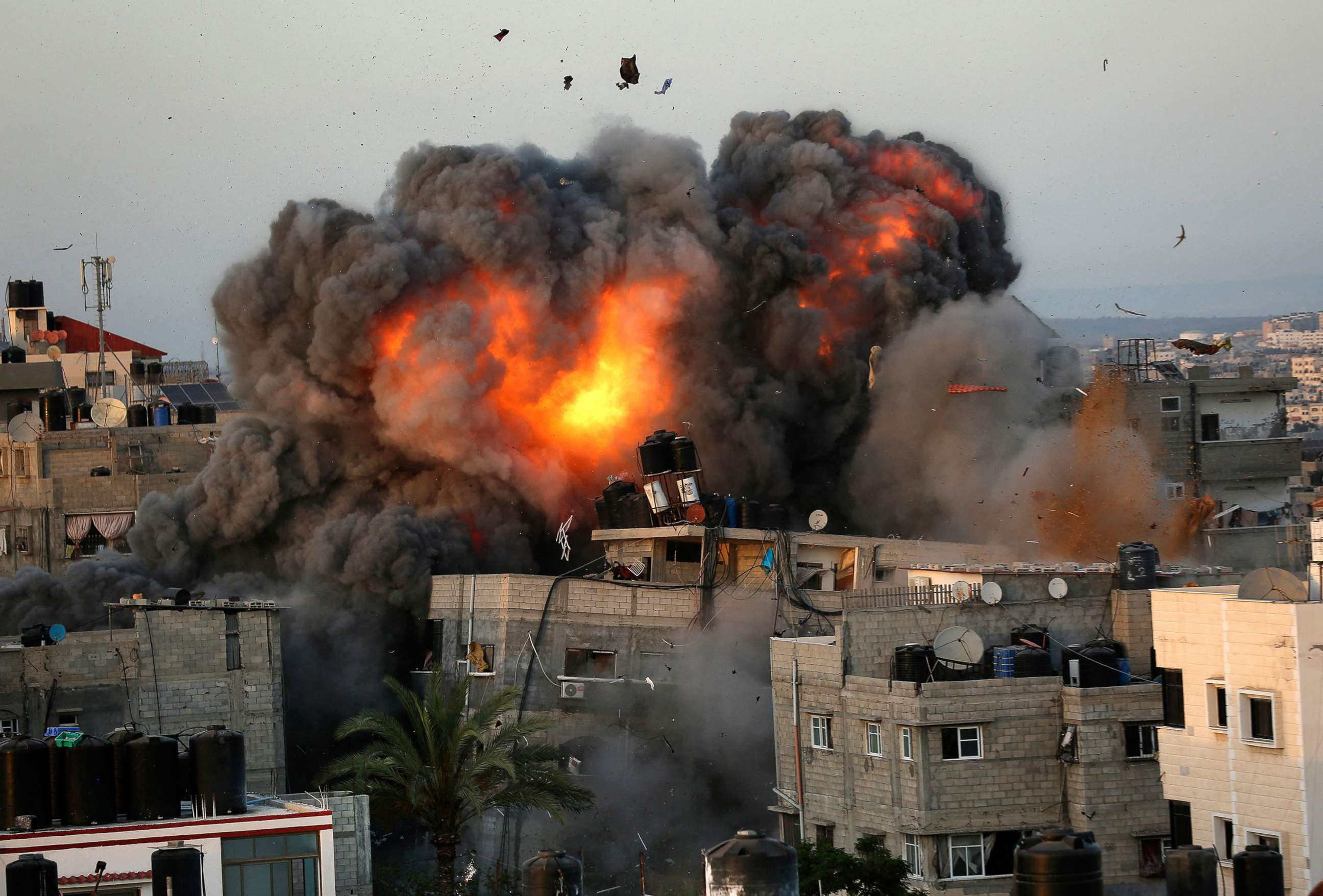
Somewhere around 40 more civilians were killed in an Israeli airstrike on an UNRWA displaced persons facility last night in Gaza. Most were women and children.
Coincidentally Nonprofit Quarterly Magazine posted a difficult and provocative anonymous essay about the Israeli/Hamas conflict yesterday. The essay asks whether nonprofits are complicit, by silence, in the deaths of civilians and noncombatants in Gaza. The essay notes that civil society is largely afraid to speak up for fear of retaliation from donors and even from government. It also emphasizes the role of race and gender in our response to the humanitarian tragedies occurring in Gaza. The essay is written by “Anonymous,” as if to emphasize the fear of reprisal in response to the points made. Here is an excerpt from “Silence Is Complicity, but Nonprofits Struggle to Condemn Israeli Violence in Gaza:”
We are leaders of a nonprofit in the social justice space here in the United States. Outside of calling for a ceasefire early on, we’ve kept relatively quiet on the ongoing Israeli violence that is killing tens of thousands of civilians in Gaza. But with the United States continuing to supply weapons to the Israeli military—in May, a shipment of another $1 billion in weapons was authorized by President Joe Biden—as well as the bravery of college students across the country risking their futures in protest (with over 2,600 arrested as of May 10), and with a United Nations official issuing a report that states there are “reasonable grounds” to believe that Israel is committing genocide against Palestinians in Gaza, it is important to speak out.
Yet it would be foolish not to acknowledge that many funders and nonprofits are rightfully frightened to take a stand. We are fearful, too. It is for this reason that we are writing this article anonymously. Opposing the mass killing and growing starvation of an entire people should be a simple position to take. We do not condone the horrors of October 7, 2023, in which Hamas and its militants killed over 1,000 Israelis and took 250 hostages into Gaza. We also understand that two things can be true at a time: October 7 was wrong, and it is important to acknowledge that it did not happen in a vacuum—as Palestinians have been oppressed by the Israeli government for more than 75 years. Israel’s current response is one that is highly likely to perpetuate and continue the cycle of violence.
Make no mistake: Israel’s genocide, funded in large measure ($12.5 billion to date) by the US government, against the Palestinian people is a racial and gender justice issue. We don’t have to imagine the empathy the Western world would proudly display if Palestinians were White. We can see it in action with the tremendous public and political support for Ukraine. No nonprofit leader was worried about being branded a bigot or losing their funding for expressing their solidarity by posting a blue and yellow flag.
With the majority of the overwhelming death toll in Palestine being women and children, it is certainly a gender justice issue as well. Violence is a tool of the patriarchy, which is quite literally what’s happening with Israel’s male-dominated government enacting this collective punishment upon Palestinians.
. . .
darryll k. jones