
Plan B: House Republicans Revive Terrorist Tax Exemption Revocation Bill
From The Intercept, Friday:
A controversial “nonprofit killer” bill is back on track after it was blocked earlier this week. A majority of Democrats in the House of Representatives rejected the bill on Tuesday out of fear that it could grant President-elect Donald Trump the legal tools with which to target his ideological foes, but Republicans are swiftly pressing ahead.
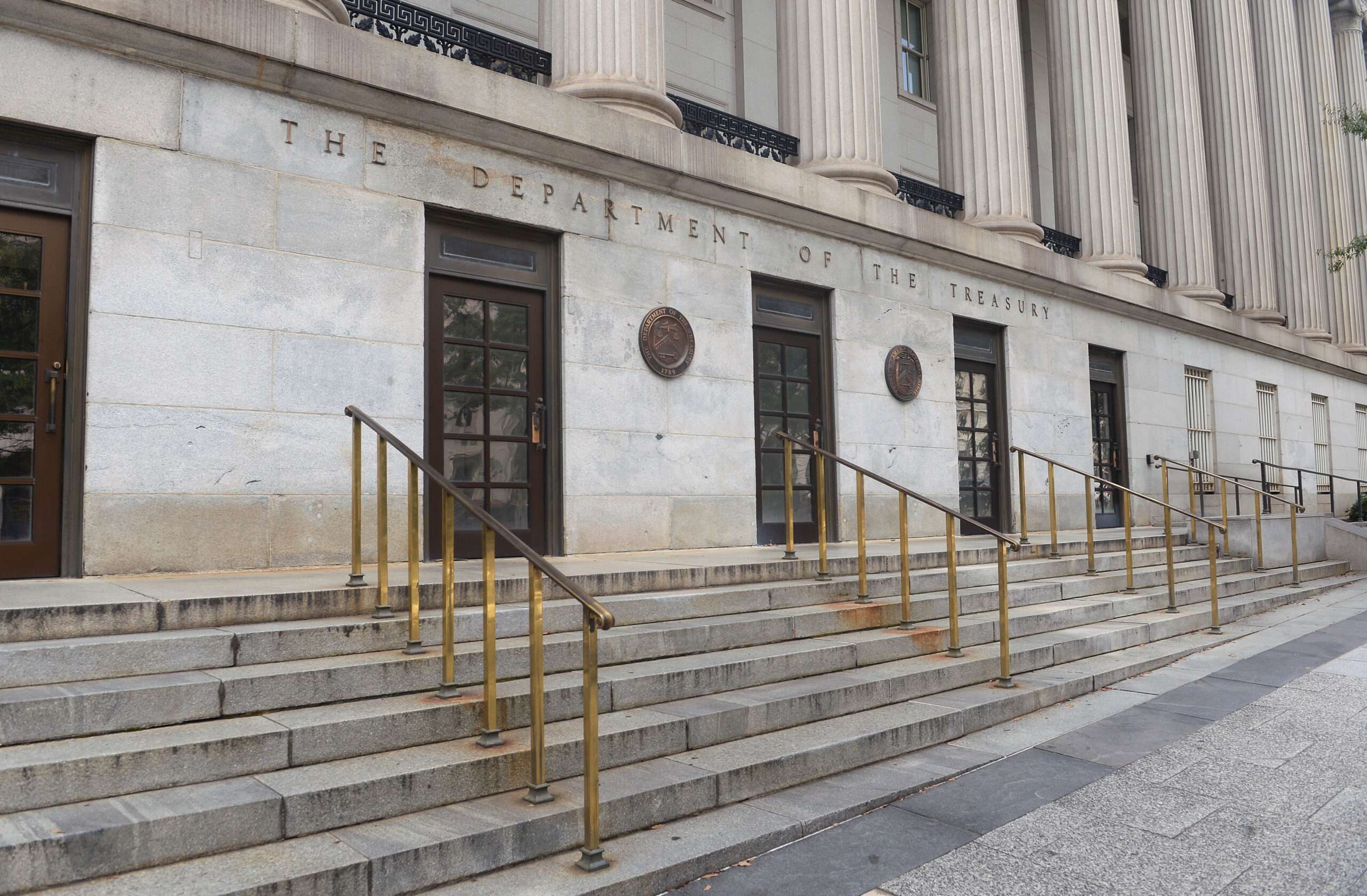
The Stop Terror-Financing and Tax Penalties on American Hostages Act, which would empower the secretary of the Treasury to designate any nonprofit as a “terrorist supporting organization” and revoke its tax-exempt status, is set to go before the Committee on Rules on Monday for a hearing that could tee up the bill for a new floor vote.
The hearing was announced Thursday evening, just two days after 144 Democrats and one Republican voted against the bill as part of a fast-track parliamentary procedure that required a two-thirds majority. The bill, also known as H.R. 9495, has come under withering criticism from a broad coalition of organizations that say its sponsors are pushing it as a means of cracking down on free speech — particularly speech in support of Palestine. In a joint statement earlier this week, a coalition of Arab American and Muslim organizations pledged to continue to fight the bill.
I am not a political scientist, but Wiki describes the House Rules Committee as one of the most effectual, able at any time to escort a bill swiftly to a vote. So it looks as though proponents might be trying to get a House vote before Christmas break. The bait is that the Bill is attached to another provision that provides tax relief to Americans held hostage overseas. Who could ever oppose that, even it it carries undesirable provisions unrelated to that effort?
I told you last week that I thought the Bill is an improvement over current law. I suppose if there wasn’t a bad law already on the books, I might panic too, thinking that the bill is only the ramping up of efforts effort to shut Civil Society up. But Congress enacted IRC 501(p) shortly after 9/11 and that provision gives Treasury the fraught authority opponents think Treasury doesn’t already have. Trust me, Treasury already has the authority, and with far less due process than the Bill provides. Perhaps it’s not unreasonable to think that the due process upgrade — however slight the upgrade might be — is a prelude to more frequent efforts to weaponize Treasury against Civil Society. Here is some very recent self-defense grass roots lobbying against the Bill:
The Council on Foundations, Independent Sector, National Council of Nonprofits, and United Philanthropy Forum express our opposition to Section 4 of H.R.9495 and its predecessor, H.R.6408. We have no opposition to the provision in the bill postponing tax deadlines for those unlawfully or wrongfully detained or held hostage abroad. And we strongly support stopping bad actors from using nonprofit organizations to fund terrorism. Unfortunately, this legislation as drafted also includes language from H.R.6408 that creates redundancies and confusion while providing the executive branch with expansive new authority that could be abused.
This legislation would allow the Secretary of the Treasury to designate section 501(c) nonprofits as “terrorist supporting organizations” at the Secretary’s discretion, without requiring the Secretary to share their full evidence or reasoning with accused nonprofits. Furthermore, the legislation runs counter to constitutional due process protections by placing the burden of proof on the accused organization and providing only 90 days for organizations to demonstrate their innocence before revoking their tax-exempt status.
Even if the Secretary’s decision were successfully reversed, designees would risk irreparable damage to their operations and reputation. The implication that an organization could be associated with terrorism could cause it to lose not only access to banks and other financial institutions but also the trust of donors and the communities it serves. In the end, the beneficiaries of nonprofits’ work would suffer the most.
In addition, under H.R.9495, law-abiding organizations could be stripped of their tax-exempt status for providing humanitarian assistance in conflict zones even when operating under Office of Foreign Assets Control authorizations. These authorizations protect nonprofits under sanctions law, but not under tax law.
It is already illegal to provide material support to foreign terrorist organizations. Organizations suspected of violating the law are rightly subject to criminal investigation and prosecution. Section 4 of H.R.9495 may achieve the goal of expediting these cases, but it does so at the expense of fairness and transparency. If the investigation process needs refinement or expedition, we stand ready to work with policymakers on changes that protect due process rights of nonprofit organizations and guard against future abuse.
We urge you to oppose H.R.6408/H.R.9495 unless amended to address the foregoing concerns.
The Rules Committee is scheduled to consider the bill today at 4:35 pm, eastern time.
darryll k. jones