
Texas Appellate Court Hears Oral Arguments re: (c)(3) Lobbying and Campaign Intervention Prohibitions
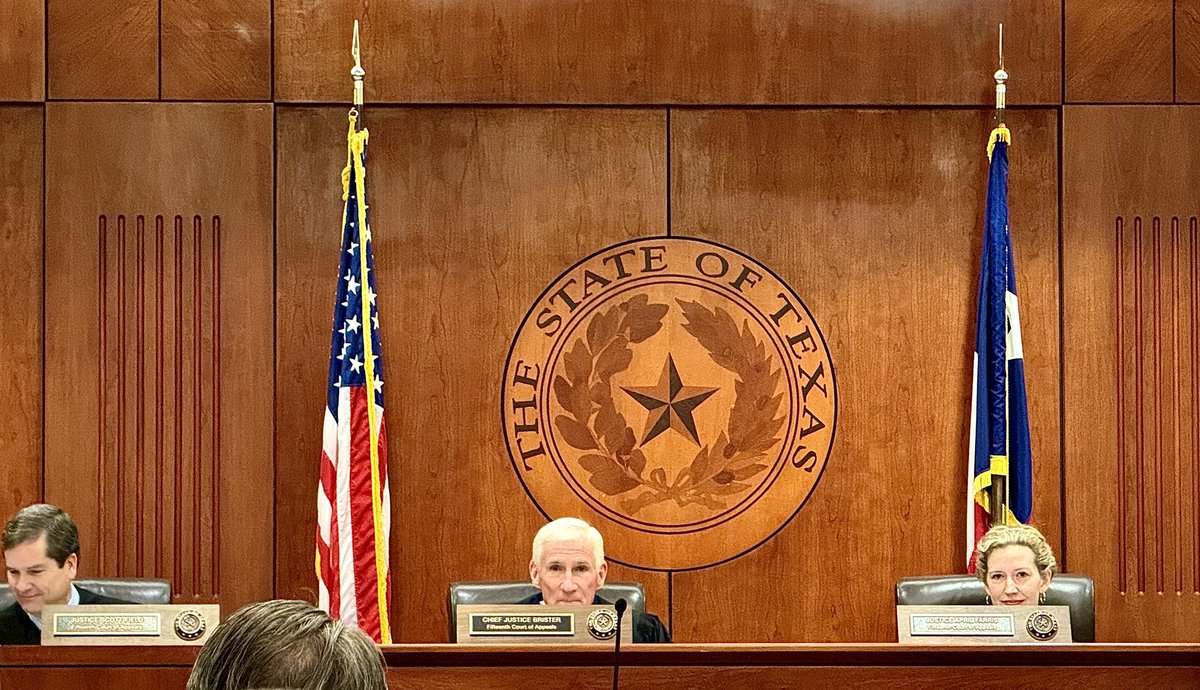
Wednesday, the brand new Texas 15th Appellate Court heard oral arguments in Paxton v. FIEL. I blogged about the case here, here. and here. That case involves the Lazy-eyed cowboy’s effort to revoke a tax exempt nonprofit’s state charter because he thinks the nonprofit violates the prohibitions against substantial lobbying and campaign intervention in IRC 501(c)(3). The IRS has never made such allegations against FIEL Houston, but Texas asserts that it has the right to make the determination independently and that if the allegation is proven FIEL should lose its state charter, which requires compliance with 501(c)(3). The state argues that it doesn’t matter that FIEL is in good standing at the federal level. During the arguments, which starts at about 58:30, one judge noted that the AG seeks to have the Court act as a “mini-Tax Court” and to do something that no state court has never ever done before in the history of the entire United States.
You can read the briefs here, but they don’t do a very good job of defining or discussing “substantial lobbying” or “campaign intervention.” Another judge admitted that he took federal tax in law school and had hoped he would never run across the subject again in his whole life. Everybody in the courtroom chuckled but I didn’t see what was so damn funny. For its part, the State clearly misunderstands the “substantiality” requirement and thinks any negative comment about an incumbent is campaign intervention. It was, to be honest, pretty obvious that nobody in the courtroom knew very much about IRC 501(c)(3) or the First Amendment issue raised by its restrictions on political speech.
Still, there is reason to hope that this strange case might blossom into a better understanding and consideration of the issue. The state is arguing, in response to the nonprofit’s preemption argument, that it at least deserves the opportunity to prove its case and present arguments on the law. It asserts that the lower court’s unexplained summary dismissal was improper. Let’s just hope that if the appellate court agrees, the state will exhibit a better understanding.
darryll k. jones