
California & Colorado Enact Legislation to Protect Nonprofits From Changes in Federal Tax Exemption Status
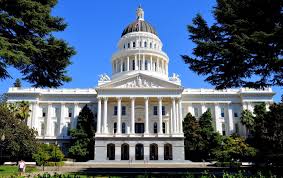
In the wake of threats by the Trump administration to examine and possibly revoke the tax-exempt status of various nonprofit organizations, at least two states have enacted legislation that would limit the effect of revocation at the state level.
California Assembly Bill No. 1318, enacted last fall and taking effect then, provides that when state law references Internal Revenue Code section 501(c)(3) “with respect to determining eligibility for any state grant or service contract, or the disbursement of state or local funds,” that reference shall now also be deemed to refer to California Revenue and Taxation Code section 23701d. The effect of this change presumably is to allow a nonprofit that loses its federal tax exemption under section 501(c)(3) to still retain the benefits of that status under such state laws as long as it still described in this state tax section. For a further explanation, see this CalNonprofits description.
Colorado Senate Bill 26-009, enacted last month and taking effect 90 days after final adjournment of the state general assembly (so August 12, 2026) assuming no relevant referendum petition is filed, provides that the state Department of Revenue shall presume that an organization with an Internal Revenue Code section 501(c)(3) determination letter qualifies as a charitable organization for purposes of Colorado Revised Statutes 39-26-102 (2.5) (defining “Charitable organization”). It further provides, however, that a change in IRC section 501(c)(3) status does not create a presumption that an organization does not qualify as a charitable organization for purposes of that state statute.